


With longer evenings and more time spent outdoors, spring skincare in Australia needs to change along with the season. The biggest shift is one you can’t feel, because UV levels climb well before the weather warms up.
If you spent winter treating pigmentation or working through a laser hair removal course, you don’t need a whole new routine for spring. What matters now is protecting the work you’ve already done as the days get brighter and you spend more time outside.
Why Spring Changes the Skin Brief in Australia
Most of us judge the sun by how warm it feels, but UV and temperature aren’t linked. Cancer Council Australia notes that UV can be just as high on a cool day as on a hot one. A mild spring morning isn’t a reliable guide to how much protection your skin needs.
It’s more reliable to check the UV index than the thermometer. Cancer Council recommends sun protection whenever the UV index reaches 3 or above, as even 15 minutes of unprotected exposure at that level can start to damage skin. You can find the daily reading in the SunSmart app or on the Bureau of Meteorology website.
This matters even more after a winter of treatment, since pigment and laser treatments both rely on what the sun does to your skin between sessions. Winter keeps that simple, while spring asks for a little more planning, especially around weekends and holidays outdoors.
If You Treated Pigmentation Over Winter
Pigmentation forms when the skin produces extra melanin, and UV is one of the main triggers. Pigment treatments rely on calm, untanned skin, which is why treating pigmentation in winter makes so much sense. As UV levels rise, keeping skin calm and untanned takes a little more effort.
Not all pigmentation behaves the same way, either. Sun spots build up over years of UV exposure, while melasma is also influenced by hormones and can be stirred up by heat as well as sun. That’s why melasma often needs extra care in the warmer months. Whatever type you’re treating, a few habits help keep your plan on track:
- Wearing a broad-spectrum SPF 50+ on treated areas every day, including cloudy or cool days
- Adding a broad-brimmed hat and shade when you’re outdoors for longer
- Telling your clinician about any sunburn, tan or new marks before your next session
- Keeping up any skin preparation your clinician has recommended
Remaining sessions can often continue into spring. Some people prefer to pause until the cooler months, while others carry on with stricter sun care. Your clinician can help you decide based on how your skin has responded so far.
Laser Hair Removal as the Days Get Brighter
Laser hair removal works by targeting the pigment in the hair follicle. A tan, whether from the sun or a bottle, narrows the skin-to-hair contrast that laser hair removal depends on, which can make treatment less precise. That’s why sun and fake tan both need a bit of planning once spring arrives.
Courses run over several months, so one started now will overlap with the sunniest stretch of the year. It’s very manageable with some forward planning, which mostly comes down to keeping the treatment area untanned between appointments:
| When | What to keep in mind |
|---|---|
| Before your first session | Avoid sun exposure and solariums in the weeks beforehand (your clinician will confirm how long). |
| Between sessions | Keep the treatment area out of direct sun, with SPF on any exposed skin. |
| Fake tan | Skip fake tan, bronzers and tanning products on the area before treatment. |
| On the day | The area needs to be free of any tan so it can be treated. |
Every skin and hair type responds a little differently, so a skin assessment and patch test come first. If you’ve been on holiday or picked up some colour between sessions, let your clinician know so they can adjust the timing of your next appointment.
A Lighter Spring Refresh
Not every spring treatment needs to be part of a course. Some people prefer something lighter while they focus on sun care, and each of these options still begins with a look at your skin.

Microdermabrasion
Microdermabrasion is a physical exfoliation that uses gentle suction to lift away dull surface cells. Skin can feel smoother after a diamond-tip microdermabrasion session, although individual results may vary. It’s often booked as a one-off, and you’ll need to avoid sun and waxing on the area for two weeks beforehand.
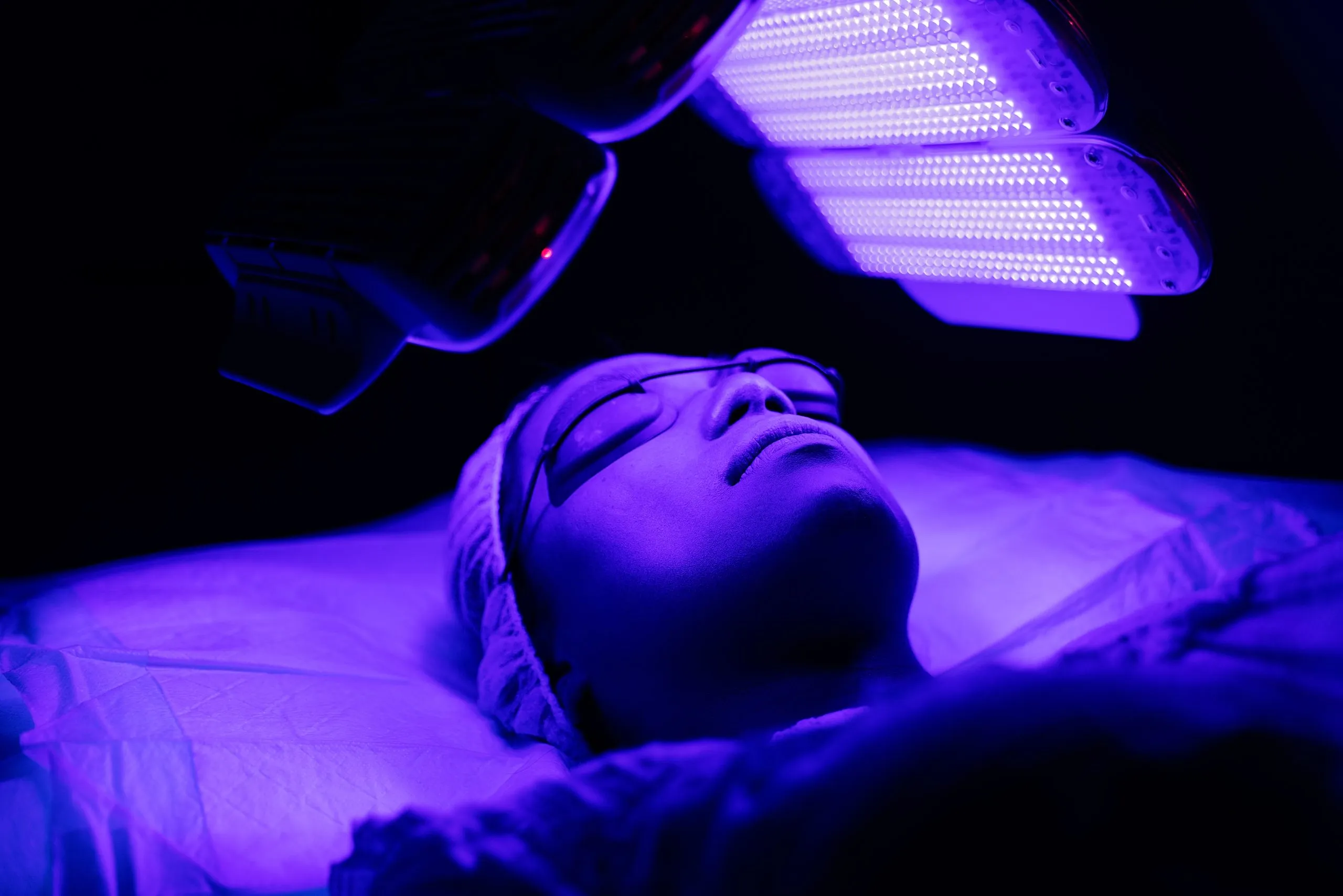
LED Light Therapy
LED light therapy uses different wavelengths of light, with no heat or exfoliation involved. It’s often booked on its own or alongside another treatment, and your therapist can let you know whether it suits your skin. Many people find the session relaxing, too.
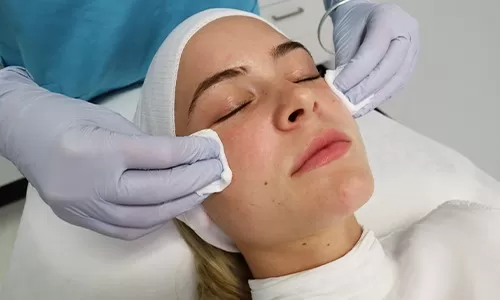
MediPeels
MediPeels use a blend of acids and enzymes chosen to suit your skin. Some peels need the skin to be prepared beforehand, and freshly peeled skin can be more sensitive to the sun, so aftercare matters more in spring. Your therapist may suggest a milder peel if your skin is still settling after winter.
Spring Skincare Habits Worth Keeping
Skin that has just been treated or exfoliated can be more sensitive to the sun than usual. It also helps to understand the different types of pigmentation, since freckles, sun spots and melasma can all darken with UV. Cancer Council’s guidance comes down to three habits:
- Use SPF 50 or 50+: choose broad-spectrum and water-resistant, applied as the last step every morning, with about a teaspoon for your face, head and neck.
- Reapply every two hours: and again after swimming or sweating.
- Cover up as well: a broad-brimmed hat, sunglasses and shade matter just as much as sunscreen when you’re outdoors for longer.
Once these are part of your spring skincare routine, they quickly become second nature. With SPF on every morning, whatever the forecast, it’s already there before the UV climbs, and the habit carries you straight into summer.
Planning Spring Skin With Australian Skin Clinics
Skin has been the focus at Australian Skin Clinics since 1996, when the business began as an acne clinic founded by a doctor. Today there are clinics across NSW, QLD and VIC. Every treatment plan starts with skin typing and skin consultation, so sun precautions are set for your skin rather than taken from a template.
That consultation is especially useful in spring, when recent sun exposure and any treatments from winter both affect what’s suitable. The clinical and education teams also work independently of sales targets, so the advice is about what suits your skin.
A free skin consultation is the place to sort out timing, whether that means carrying on, pausing or switching to something lighter for the season. Individual results may vary.
Easing Into the Warmer Months
Spring doesn’t undo a winter of treatment, but it does change what that treatment needs from you. If you’d like a plan for the months ahead, you can book a free skin consultation at a clinic near you, with no commitment to a treatment. Your clinician can talk through the timing, so you can enjoy the longer days without second-guessing your skin.
Whether you keep going with a course or pause until the cooler months, the habits that protect your skin stay the same. Daily SPF, a good hat and a bit of shade help protect treated skin right through summer.
FAQs
Is UV really strong enough in spring to need sun protection?
UV is present every day of the year, and Cancer Council notes that levels can differ across Australia on the same day. That’s why checking the daily UV forecast for where you are is more useful than going by the season or how warm it feels.
Can I start laser hair removal in spring?
A spring start works well with some planning. Your clinician will want the area free of sun and tan before each session, so it suits people who can keep the treated areas covered over the warmer months. They can also help you decide whether now is the right time to begin.
Do I need to stay out of the sun after laser hair removal?
Treated skin is more sensitive to the sun, so keep the area covered and wear SPF on any exposed skin while your course is underway. Your clinician will give you aftercare for your skin and the area being treated at each appointment.
Will spring sun affect my pigmentation treatment?
UV is one of the main triggers for pigment, so unprotected sun can work against your treatment. Daily SPF 50+ alongside a hat and shade will help. If you’ve had some sun between sessions, letting your clinician know early gives them room to adjust your plan.
Can I wear fake tan while I’m having pigmentation treatment?
Fake tan needs to be kept off the treatment area on the day, because it changes the colour your clinician is working with. If you’d like to use it between sessions, ask your clinician how far ahead to stop so the area is clear for your appointment.
Is it okay to exfoliate more in spring?
Gentle, regular exfoliation suits most spring skincare routines, but freshly exfoliated skin can be more sensitive to the sun. Pair it with daily SPF, and check with your therapist before using strong exfoliants close to a treatment. Treated skin usually needs a short break from them.