


Winter can be an ideal time for laser and pigmentation treatments, even though many people assume the opposite. The instinct to wait for warmer weather is understandable, but lower UV exposure during winter makes treatment easier to manage and supports a more comfortable recovery.
If you’ve noticed your skin looking more uneven since your tan faded, or you’ve been putting off a laser hair removal course until conditions feel right, winter is that window. Here is why.
The Skin Logic That Makes Winter Different
Both laser and pigmentation treatments work by targeting pigment, whether it is in a hair follicle or sitting unevenly within the skin. This is why both treatments need to be performed away from active sun exposure. When the skin is tanned, the extra melanin can make it harder to target the intended pigment precisely, increasing the risk of irritation, uneven results or other unwanted reactions.
In winter, that variable is largely removed. UV levels drop, tans fade naturally, and the baseline your skin brings to each session is more consistent. Recovery is also more manageable: treated skin is temporarily more sensitive to UV, and handling that is straightforward when you are not competing with summer sun at the same time.
The two concerns differ in how they look and how they are treated. But they share the same seasonal advantage, which is why winter tends to be the busiest time of year in clinic for exactly these requests.
Pigmentation Becomes Easier to See and Easier to Treat
Winter may be the clearest window you get to address your pigmentation concerns properly. As a summer tan fades, the contrast between your skin tone and areas of uneven pigmentation becomes more pronounced. Sun spots, patches, and marks that were camouflaged in January can look noticeably more obvious by June.
This does not mean your pigmentation is getting worse. As a tan fades, the contrast between existing pigmentation and the surrounding skin becomes more noticeable, giving your clinician a clearer view of what is present and how to treat it.
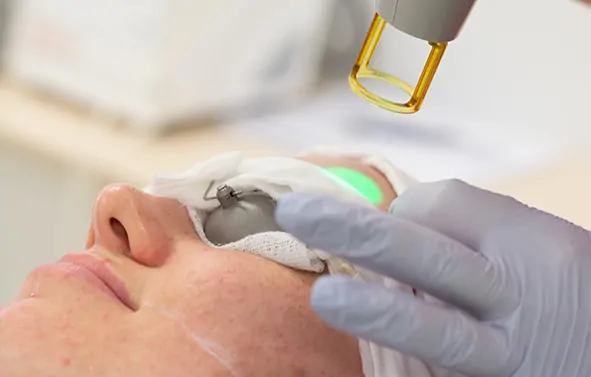
Sun spots and hyperpigmentation
Sun spots and hyperpigmentation
Sun spots are one of the more recognisable forms of sun damage, caused by cumulative UV exposure building up over years on areas like the face, chest, and hands. They respond well to targeted laser treatment, particularly once UV intensity has dropped. Treating them in summer, when UV is actively stimulating melanin production, works against the treatment. Winter interrupts that cycle.
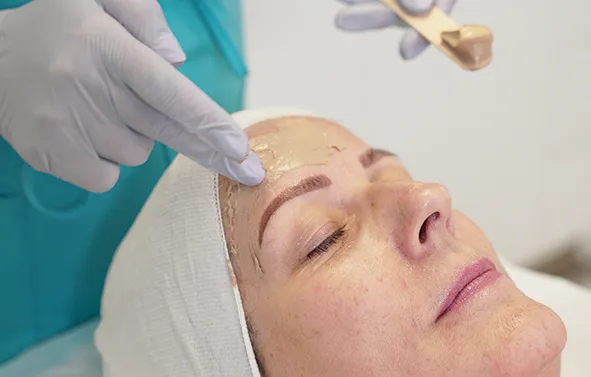
Melasma
Melasma behaves differently. It is also driven by hormonal changes, rather than sun exposure alone, and it tends to worsen with heat and UV rather than fade alongside a tan. It usually requires an ongoing plan rather than a single session, and it can return if the underlying trigger has not settled.
For deeper or more stubborn melasma, a Cosmelan peel may be worth discussing with a clinician. The post-treatment period requires careful sun avoidance, which is significantly easier to manage in winter. No treatment is planned until a clinician has assessed whether it is the right approach for your skin.
Treated Skin Heals With Less Interference
After laser or pigmentation treatment, the skin becomes temporarily more sensitive as it moves through a short recovery period. Redness, mild flaking and temporary darkening of treated areas can all be normal, and the lower UV exposure in winter can make this period easier to manage.
Managing that recovery in summer can take more effort. Avoid direct sun, stay consistent with SPF, and plan around beach days, outdoor events, and other plans while your skin is still settling.
Winter naturally removes some of those challenges. With lower UV exposure, it is easier to protect treated skin and give it the conditions it needs to recover. Less day-to-day exposure makes recovery easier to manage without disrupting your plans or delaying your next session.
Laser Hair Removal Works Better Without a Tan in the Way
The same UV logic applies to hair removal. The treatment targets the pigment in each follicle, which is why completing a laser hair removal course in winter works so well. A tan introduces melanin into the surrounding skin, narrowing the contrast the laser relies on. Less contrast means less precision and, in some cases, an increased risk of the surrounding skin reacting unexpectedly.
Winter removes that obstacle almost entirely. Skin is at its natural tone, and the laser can work with the contrast it is designed for. Sessions are also easier to space consistently, because the things that typically interrupt a course are largely absent in winter:
- a holiday or stretch of travel mid-course
- incidental sun exposure from outdoor plans
- fake tan applied for an event between sessions
A full course typically runs 6 to 8 sessions spaced 4 to 8 weeks apart. Starting now gives that course a realistic window to run before summer clothing, beach days, and incidental sun exposure return.
Both treatments ask the same thing between sessions: avoid deliberate sun exposure, stay away from fake tan, and protect treated areas consistently. In summer, those requirements regularly clash with everyday life. A long weekend away, a run of outdoor events, or a holiday mid-course can push a session back or widen the gap between appointments beyond what is ideal.
Starting Now Means Visible Progress Before Summer
Both concerns take time to treat. Pigmentation often requires multiple sessions, while laser hair removal delivers results progressively across a full course of treatment. Starting in winter gives that process more time to work before the warmer months return.
This is not about creating urgency. Winter is a good starting point because it gives your skin time to move through each treatment and recovery period without the added challenges of higher UV exposure. Rather than rushing results before summer, you can let the treatment progress at a steady pace.
What to Bring to Your First Consultation
A consultation is where the plan takes shape. A clinician looks at your skin, identifies what type of pigmentation is present, and maps an approach that fits your skin rather than a standard protocol. If you have had treatments elsewhere that didn’t deliver what you expected, that is worth raising. It changes the starting point.
Come prepared with as much detail as you can. It makes the consultation more useful:
- your current skincare products, including anything you have recently stopped using
- photos that show the concern at its most visible
- any relevant history: hormonal changes, previous reactions, treatments already tried
The Clinic You Choose Matters as Much as the Treatment
Laser and pigmentation treatments across Australia are only as effective as the assessment and clinical decisions behind them. The right device can produce very different results when it is used without considering your skin, how it responds to treatment, or whether the approach needs to change between sessions.
Your practitioner can assess your skin, determine whether treatment is appropriate and adjust the approach throughout your course based on how your skin is responding, rather than simply following the same protocol each time.
With clinics nationally, Australian Skin Clinics also makes it easier to maintain consistency throughout a longer treatment course. If you move, travel or need to visit a different clinic, your treatment can continue without having to start the process again.
Why Winter Is the Best Time to Start Laser and Pigmentation Treatment
Whether your concern is pigmentation or unwanted hair, the next step is the same: having your skin properly assessed by someone qualified to evaluate it. A consultation helps ensure any treatment plan is based on how your skin actually presents, rather than assumptions made from what you have read online.
A skin consultation lets you talk through what you have noticed with an experienced clinician, discuss what you would like to address and understand which options are best for your skin. Your clinician can then help you decide whether treatment is appropriate now, whether another approach would be more suitable, or whether it is better to wait. Either way, you leave with a clear understanding of your options and what makes sense for your skin.
FAQs
Does pigmentation actually get worse in winter or does it just look that way?
The pigmentation itself has not necessarily changed, but a fading summer tan can make existing marks more noticeable against the surrounding skin. What looks like worsening pigmentation is often simply the same pigmentation becoming easier to see.
What is the difference between treating sun spots and treating melasma?
Sun spots are usually linked to cumulative UV exposure and can respond well to targeted treatment, while melasma is often influenced by hormonal changes and can affect broader areas of the face. Because melasma can return, treatment usually forms part of an ongoing skincare plan rather than a one-off approach.
Can I get laser hair removal and pigmentation treatment done in the same winter?
Both treatments can be suitable during winter, but they may need to be spaced or sequenced carefully to allow the skin to recover between sessions. A clinician can assess your skin and recommend an approach that allows each treatment to work without interfering with the other’s recovery.
How long before I see results?
The timeframe varies depending on the concern, treatment and how your skin responds, with some pigmentation showing visible changes after one or two sessions. Laser hair removal works progressively across a course, with reduction often becoming more noticeable after the third or fourth session, and your clinician can give you a more realistic timeframe at your consultation.
What should I tell my clinician if I’ve had a bad experience with treatment before?
Tell your clinician exactly what happened, including the treatment you had, the reaction you experienced and how long ago it occurred. This information can help determine which options are appropriate and whether your treatment needs to be adjusted or carefully sequenced.