




Your skin is doing its job. It’s just not doing it quite the way it used to. The texture that felt smooth a few years ago has shifted a little. Your complexion looks flat, a bit tired, even when everything else is in order.
You’ve added steps to your routine, tried different serums, and read the ingredients. None of it quite closes the gap. That feeling, where your skin just isn’t keeping up with you, is exactly what Rejuran® treatment is designed to address.
No viral transformations, no overnight promises. Just a treatment that works with your skin rather than on it. It has built a quiet reputation across Australian clinics because the results are real, gradual, and come from your skin doing more of its own work.
The treatment your skin is actually responding to
Most skin treatments do something visible. They’re adding hydration, smoothing the surface, filling volume, or resurfacing the outer layer. All of these have their place. Rejuran works at a different level entirely, improving the conditions your skin needs to regenerate more effectively.
The active ingredient is polynucleotides, naturally occurring compounds derived from purified salmon DNA. The reason it works is that salmon DNA is structurally similar to human DNA, so the skin treats polynucleotides as something familiar rather than foreign. It’s the same principle behind the growing interest in skin rejuvenation treatments that work with the body’s own processes rather than layering something new on top.
Once in the skin, polynucleotides create a more supportive environment around the cells that produce collagen and elastin. Those are the proteins responsible for keeping skin firm and resilient. Give those cells better conditions, and they do their job better. The improvement comes from your own skin, which is also why the change feels gradual and real rather than immediate and temporary.
When your skin stops keeping up with you
Rejuran® isn’t aimed at one single concern. Because it works across overall skin quality, it tends to suit people who feel their skin has changed more generally, rather than those focused on one specific line, mark or spot.
People often start looking into it when they notice:
- Dull, flat-looking skin that doesn’t brighten up the way it used to, even when sleep, hydration and diet are all in order.
- A change in texture, where skin feels rougher or less smooth under your fingertips than it did a few years ago, without any obvious cause.
- The early signs of ageing: fine lines, a subtle loss of firmness, or that slight flattening that happens before anything becomes dramatic.
- Post-acne skin that has settled but still looks uneven in tone and texture, and nothing topical has quite finished the job.
What these concerns have in common is that they’re not always about one obvious flaw. They’re more about a general shift in how your skin looks and behaves, the kind of change that can be hard to capture in a photo but very clear to you.
That’s where Rejuran is often considered. It’s less about changing how you look and more about supporting the overall quality and condition of the skin, which is an important distinction to understand before booking a consultation.
What to expect at your appointment
If you’ve never had a professional skin treatment like Rejuran before, not knowing what to expect can feel like the biggest part of the appointment. Most people build it up in their heads, then find the actual process is much more straightforward than they imagined.
Your consultation comes first
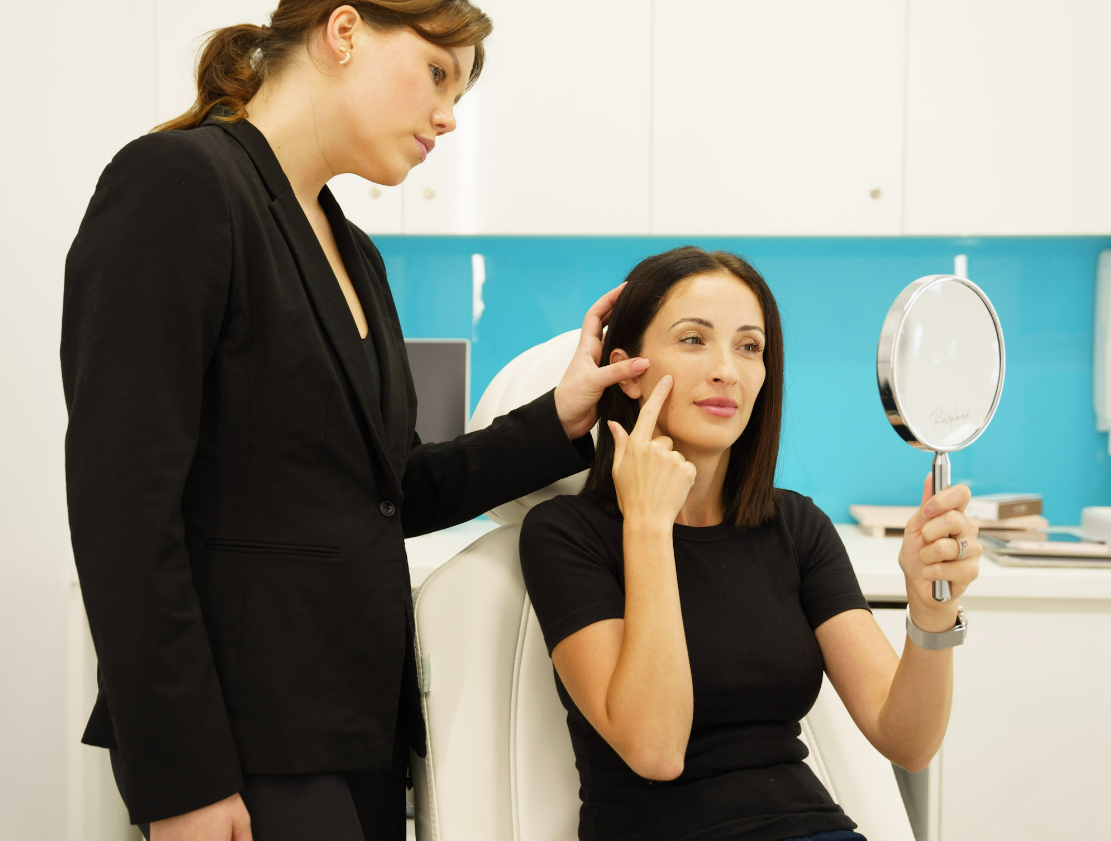
Nothing happens before a proper assessment. A qualified aesthetic nurse sits with you, looks closely at your skin, asks what you’ve been noticing and what you’re hoping for, and gives you their honest view on whether Rejuran is the right fit. If it isn’t, they’ll say so and point you toward something more appropriate.
That kind of directness is the point of going somewhere good. There should be no pressure, no upselling and no treatment planned unless the aesthetic nurse is confident it genuinely suits your skin.
The treatment itself
Your aesthetic nurse will talk you through the treatment before anything begins, so you understand what is involved and how your skin may feel during the appointment. A topical numbing step is usually applied beforehand, which helps make the experience more manageable than many people expect.
The appointment is relatively short, and most people walk out a little surprised by how simple the process felt compared with what they had imagined.
The days afterwards
Some mild redness or small temporary bumps in the treated area are normal and settle within a few days. It’s worth planning your timing around anything significant on your calendar, but there’s no extended downtime. Your aesthetic nurse will also give you aftercare guidance tailored to your skin, so you know exactly what to do once you leave the clinic.
When results start to show
Rejuran works gradually by design. The skin responds over the weeks following treatment as your body does the work, which is why a short course of sessions is typically recommended rather than a single visit. Your aesthetic nurse will map out that plan before you commit to anything, so you always know what you’re signing up for.
Why it matters where you go in Australia
With any advanced skin treatment, the person guiding you matters just as much as the treatment itself. It’s not the kind of decision that should come down to the lowest price or the first appointment available.
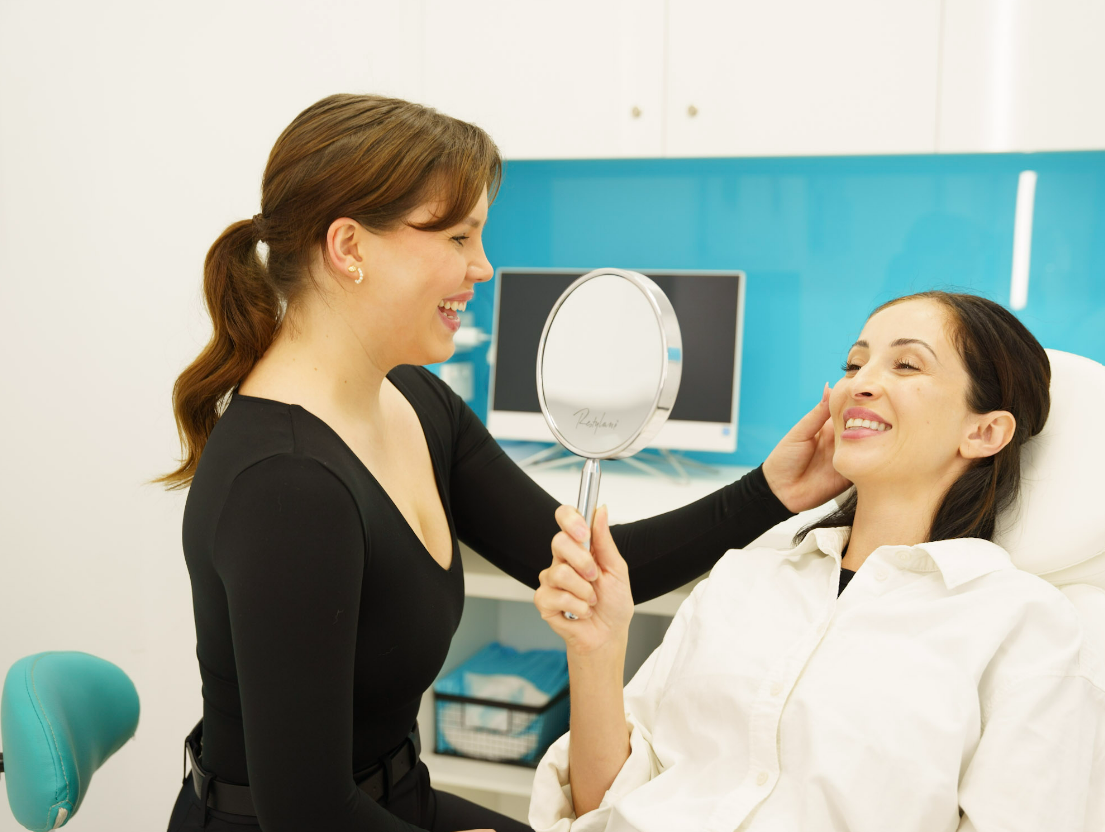
For Rejuran® treatment at Australian Skin Clinics, your consultation and treatment are carried out by an AHPRA-registered aesthetic nurse. They’ll assess your skin properly, talk through what you’re hoping to improve, and only recommend a plan if it genuinely makes sense for you.
That broader view is important. With clinics nationally and a wide range of skin and aesthetic treatments available, your aesthetic nurse can consider Rejuran alongside other options, so the advice you receive feels balanced, practical and specific to your skin.
How Rejuran® sits alongside other treatments
Rejuran doesn’t need to replace what you’re already doing for your skin. Other treatments can still have their place, especially when you’re looking at concerns like hydration, texture, pigmentation or more targeted skin changes.
Where Rejuran fits in is slightly different. It’s often considered when the skin itself needs support, rather than when you’re trying to address one surface-level concern on its own.
Think of it less as a substitute for your routine, and more as part of the bigger skin picture. For people who feel their results have plateaued with topical products alone, Rejuran can be a useful next step, whether that means pairing it with other aesthetic treatments or simply understanding what the skin needs at this point.
Who it suits, and who it doesn’t
Rejuran tends to suit people who feel their skin has lost some of its natural freshness and want gradual improvement rather than a quick, dramatic change. If you see your skin as something worth supporting over time, and you’re comfortable with results building over a course of sessions, it may be a good fit.
It’s less suited to someone looking for an instant transformation, targeting one very specific concern, or wanting a result by a particular date. The kind of change Rejuran is known for is usually quieter and more cumulative.
You may not look like a different person, and that’s the point. For many people, the goal is to look a little more rested, even and refreshed in a way that still feels like them. A consultation is the best way to understand whether that approach lines up with what you actually want.
Ready to find out if Rejuran® is right for your skin?
Winter can be a good time to give your skin a little more attention. With less exposure to the year’s harshest UV conditions, it can be a practical season to focus on treatments that work gradually and support overall skin quality.

Whether Rejuran® is right for you depends on your skin, your goals and what an aesthetic nurse sees during a proper assessment. You don’t need to figure that out on your own, and there’s no pressure to decide before you feel ready.
If you’re curious, the best next step is a consultation. It gives you the chance to have your skin properly assessed, talk through your options and decide whether Rejuran® is worth considering for where your skin is now.
FAQs
What makes Rejuran® different from other hydration treatments?
Most hydration treatments focus on adding moisture to the skin, while this treatment works deeper by supporting the environment around the cells involved in collagen and elastin production. That’s why the two can work well together, with one supporting surface comfort and the other focusing on overall skin quality.
How many sessions does Rejuran® treatment usually take?
A short course is usually recommended because results build gradually over time. Your aesthetic nurse will assess your skin first, then recommend the number of sessions that make sense before you commit to a plan.
Can Rejuran® be combined with other treatments?
It can often be part of a broader skin plan, depending on what else your skin needs and how treatments are timed. Your aesthetic nurse will guide what can be combined, what should be spaced out and what makes the most sense for your goals.
Is Rejuran® suitable for all skin tones and types?
This treatment may be suitable for a range of skin tones and types because it does not work by targeting surface pigment. An aesthetic nurse assessment is still important, as suitability depends on your full skin picture, treatment goals and any sensitivities or concerns.
I’ve had treatments before that didn’t deliver. How is Rejuran® different?
The mechanism is different because it works at a dermal level by supporting the conditions your skin needs to regenerate, rather than adding something to the surface or creating an instant change. If past treatments have not delivered what you hoped for, a consultation can help clarify whether this is the right fit for what your skin actually needs.