


You’ve probably put up with it for years. The razor burn along your neck that shows up every second morning, the ingrown hair that sits under the skin for a week, the jaw that stays rough no matter what’s on the bathroom shelf. None of it is ever quite bad enough to do something about, so you never have.
A skin clinic has probably never felt like somewhere built with you in mind either. Most men’s winter skincare advice stops at buying a better face wash, which is fine until the cold properly sets in and you’re asking a product to do a job it was never designed for.
What helps more is matching the treatment to the actual problem. Rough texture, post-shave irritation and old acne scarring are three separate issues with three separate answers, so men’s skin treatments get chosen against the specific complaint, not against winter in general.
Nobody’s going to talk you into anything
What stops most men booking isn’t the treatment. It’s the suspicion that you’ll come in with one question and leave with a payment plan for six things you never asked about. That’s a fair thing to be wary of, and it isn’t how a consultation is meant to work.
A first appointment is a conversation and not much more than that. Someone looks properly at your skin, asks what’s been getting on your nerves, and tells you whether anything is worth doing. If the answer is that your skin is fine as it is, you’ll hear that too.
You don’t need the right words for it either. Saying your neck is raw every time you shave, or that one patch never settles down, gives a clinician plenty to work from, and nothing gets planned unless it genuinely suits you. You can leave with a plan, or leave with nothing booked.
A HydraFacial when your skin looks tired by mid-winter
Somewhere in the middle of winter, your face starts looking flatter than it did in March. The colour goes dull, you look tired even after a decent night’s sleep, and washing more often changes nothing, because the surface itself is the problem.
Dead cells build up faster in the cold and stay put, along with everything your pores collect under a week of scarves and beanies. More washing won’t shift that, and it’s the gap a HydraFacial is designed to close.
The treatment is a single pass that cleanses, exfoliates and pushes hydration back into the skin, with nothing to recover from afterwards. Appointments are short, and if you’ve never booked a professional skin treatment before, this is a sensible one to start with.
Microdermabrasion and the patches moisturiser won’t shift
Some winter dryness isn’t really dryness. Flaking around the beard line that returns a day after moisturising, or one patch on your cheek that stays rough while everything around it behaves, is a texture problem, not a hydration one. Cold weather slows how quickly your skin turns over, so dead cells stay put in the spots that most need to shed.
Piling on more product doesn’t change that. Clearing them off mechanically does, and that’s the job microdermabrasion handles, with a fine tip that passes across the skin and lifts the top layer away. For rough texture a moisturiser hasn’t touched, it tends to come up first, and half an hour is generally all it takes.
Appointments run about thirty minutes with no recovery time afterwards, and your skin feels different straight away. Whatever you apply next then has somewhere to go instead of sitting on a layer that should have shed weeks ago, which is often why a product that ought to work doesn’t.
LED light therapy for skin that reacts to everything
Some skin doesn’t have one problem. It has several small ones happening at once, and through winter they tend to arrive together instead of one at a time, which makes it hard to know what to treat first.
- Redness after shaving that flares along the jaw a few hours later, long after you’ve left the bathroom.
- Breakouts in one place, usually right where a collar or a scarf sits against the skin all day.
- Stinging whenever you use anything active, even products you’ve used without trouble before.
- A shorter fuse generally, where your face reacts to things it ignored completely a year ago.
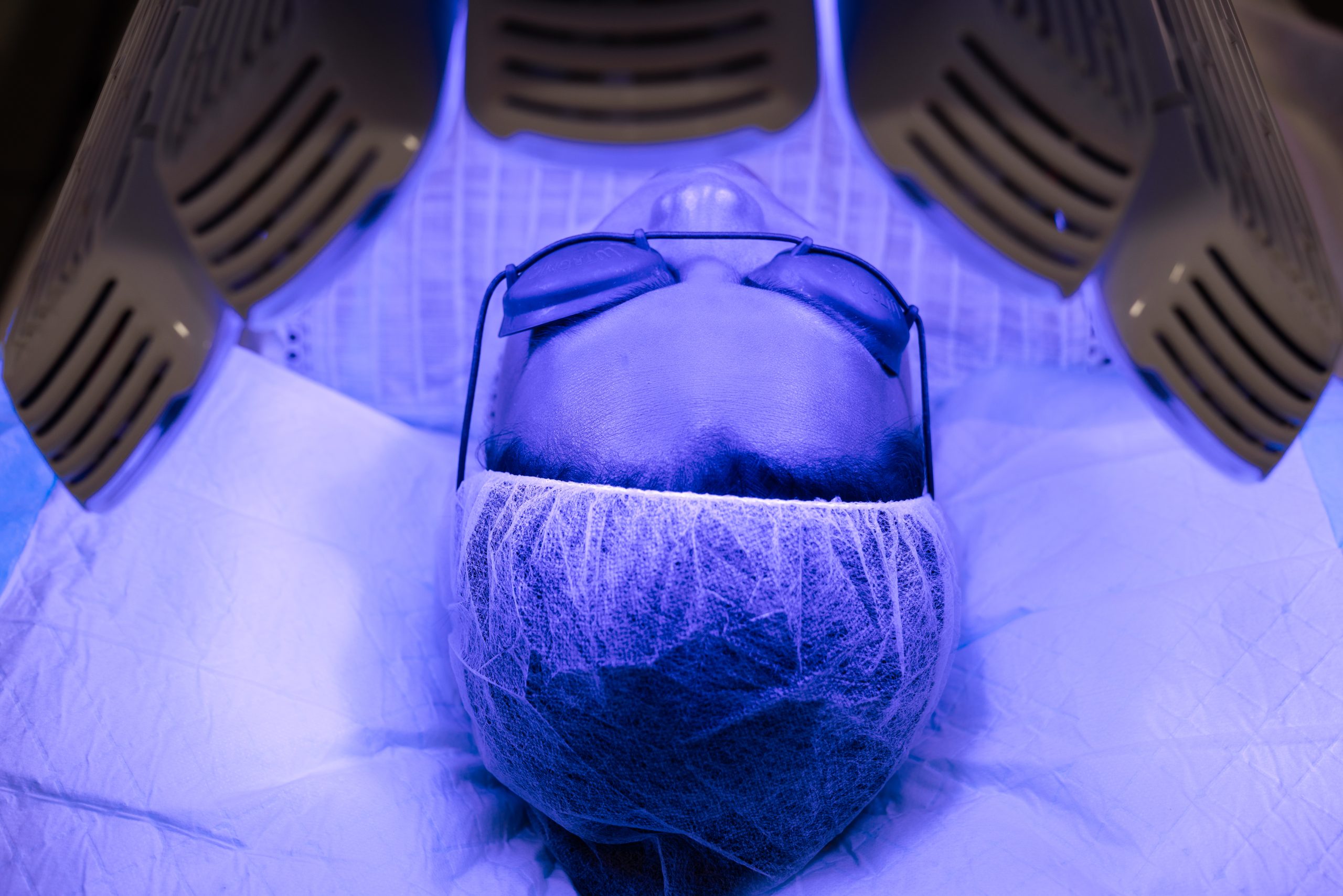
Reactivity like that is hard to sort out with products, because every product you add is one more thing your skin has to respond to. Working below the surface is where LED light therapy comes in, since that’s the level the reaction is happening at.
What it does depends on the wavelength selected for your skin, since different wavelengths suit active breakouts and general skin health. Nothing stings, nothing peels, and the appointment is short enough to fit around a workday.
What can be done about older acne scarring
This is the one men ask about years after the fact. The breakouts stopped a long time ago, but the texture they left behind didn’t, and plenty of men have assumed there was nothing to be done and left it at that.
Scarring sits deeper than texture or irritation, below the surface layers, so exfoliating doesn’t reach it, and nothing you put on at home does either. None of that reflects how much effort you’ve put in, since the depth is what puts it beyond the reach of anything on a shelf.
Why the assessment matters most here
Scarring varies more than people expect. Type, depth, and how long it’s been there all change what’s appropriate, so acne scar treatment starts with an assessment and not a booking. No single approach covers all of it, and you can’t tell which is which from a photograph.
A clinician looks at what you actually have, and talks through the acne scarring options before anything is planned. That works the same way whatever your skin tone, because suitability comes down to how your skin behaves, not how it looks.
Winter suits this kind of work too. Sun exposure is lower through these months, so the weeks after an appointment are easier to manage, and that counts for more with scarring than with anything else here, because the skin needs a decent stretch of time to settle.
Laser hair removal when razor rash keeps coming back
Count how often you shave. Five or six mornings a week works out at close to 300 shaves a year, all of it on skin that’s already dry and wind-exposed through winter. The redness and the ingrown hairs follow from that, and no amount of balm or aftershave changes how often you have to do it.
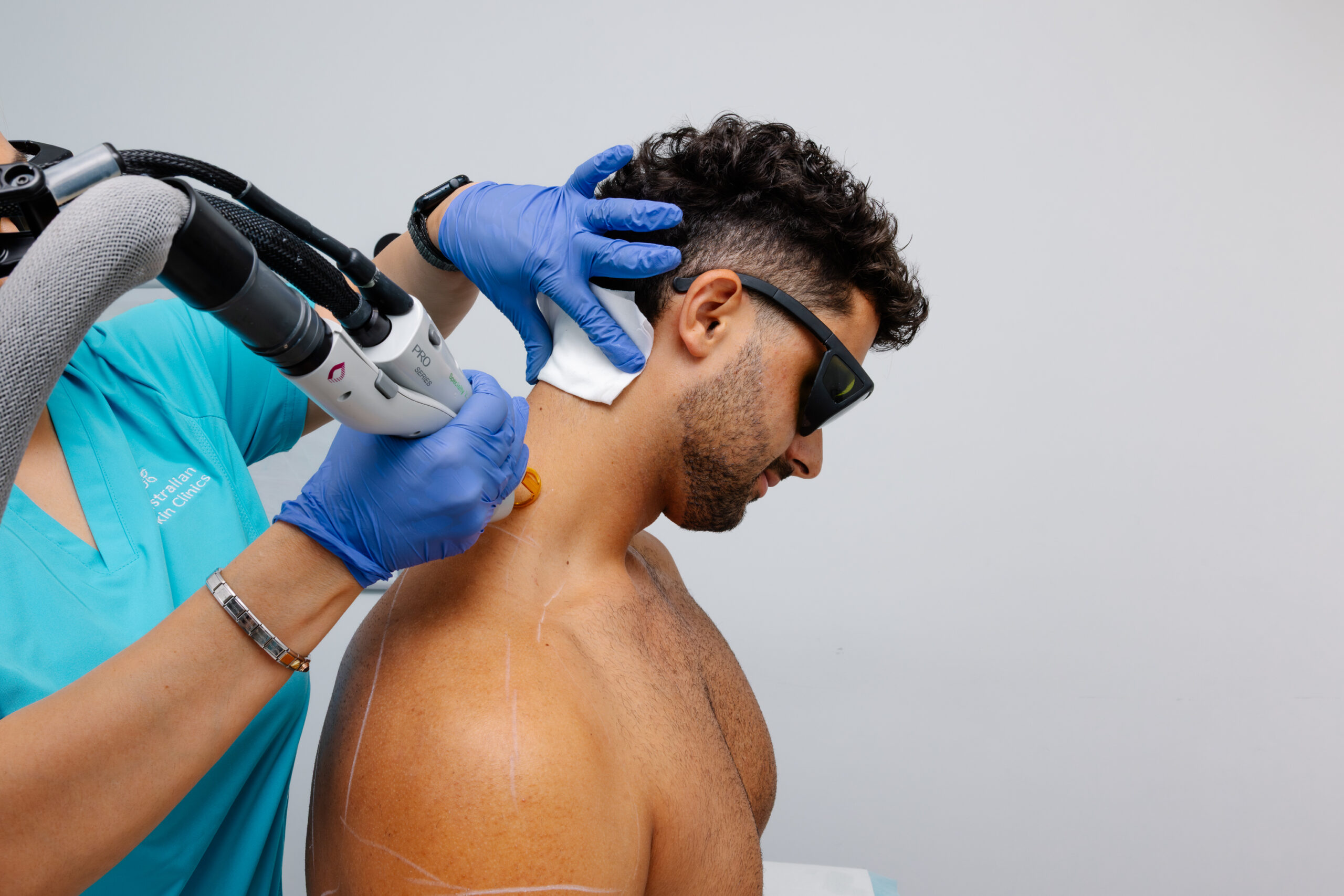
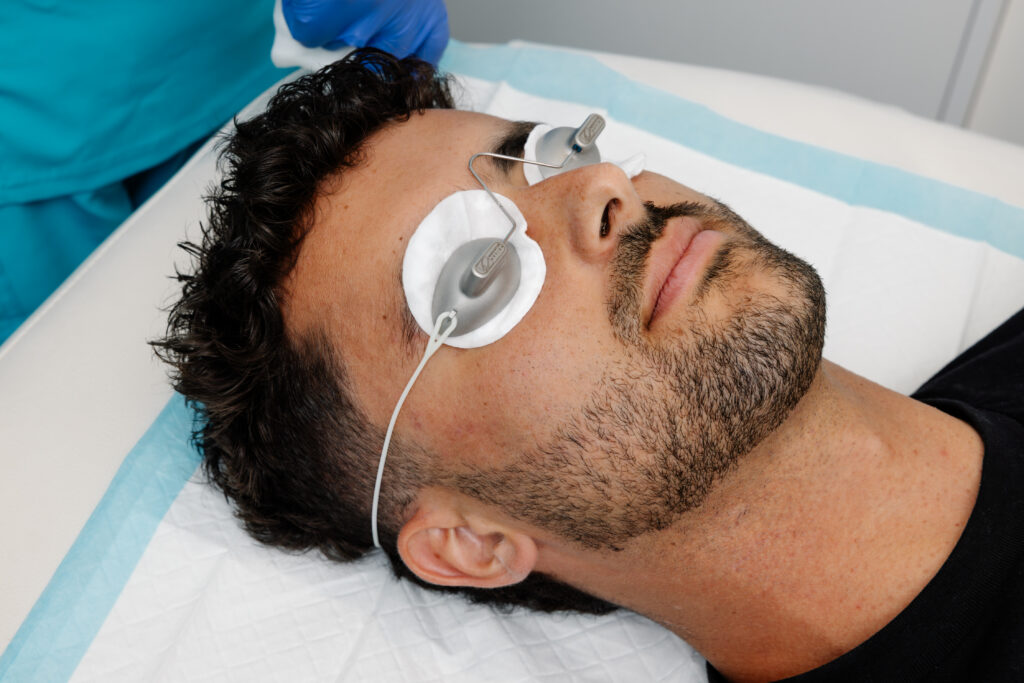
That’s the part laser hair removal addresses. Laser targets the pigment in the hair follicle during its active growth phase, and because not every hair is in that phase at once, a course runs over several sessions spaced weeks apart.
What changes and what doesn’t
Shave less often, and your skin gets a chance to settle, and that’s where the irritation comes down. Hair colour and skin tone are both checked before a course is booked, since the two of them affect the settings used and the gaps between appointments.
Shaving between appointments is fine and expected. Waxing and epilating are not, because both pull the hair out at the root and leave the laser nothing to target. The timing is in your favour at this end of the year, since staying out of strong sun between sessions is easier in winter.
What to expect if you book something
Most of the hesitation about a first appointment comes from not knowing how it runs, and in practice it’s more ordinary than people imagine. Turn up with a rough idea of what’s been irritating you and when it started, then mention:
- Any products you’re using, including anything you’ve recently stopped using.
- Any reaction you’ve had to a product or treatment before, even a mild one.
- How often you shave, and whether that’s with a blade or clippers.
All of that affects what’s suitable. A clinician talks through what’s involved before anything begins, so you know how the appointment will feel instead of finding out midway, and none of these treatments is long enough to need time off work.
In the days afterwards
Depending on what you’ve had done, you may notice some warmth or mild redness that settles on its own. You’ll get aftercare guidance before you leave, covering the two things that matter day to day, which are shaving and sun exposure.
Most treatments need a short gap before you shave the treated area again, and SPF matters more than usual for a few days, even in winter. The exact timings vary by treatment, and you’ll have them written down before you go.
If anything feels different to what you were told to expect, ring the clinic instead of waiting for your next appointment. Nobody will think you’re overreacting, and checking is a normal part of how a course runs.
What to look for in a clinic
With any of these treatments, the person holding the device matters as much as the device. What you get out of it depends on how your skin is assessed, which settings are chosen, and whether the approach shifts as your skin responds. All of that is worth weighing before you pick somewhere on price alone.
Australian Skin Clinics also has clinics nationally, with a consistent standard of assessment across locations. If you move, travel or change jobs partway through a course, your treatment can carry on somewhere else instead of starting again from scratch, which matters when the whole thing takes months.
Men’s winter skincare starts with your skin, not a treatment list
Reading about a few treatments is a reasonable way to work out which problem sounds most like yours. It won’t settle men’s winter skincare for you, because which one suits you depends on things you can’t assess from your side of the mirror.
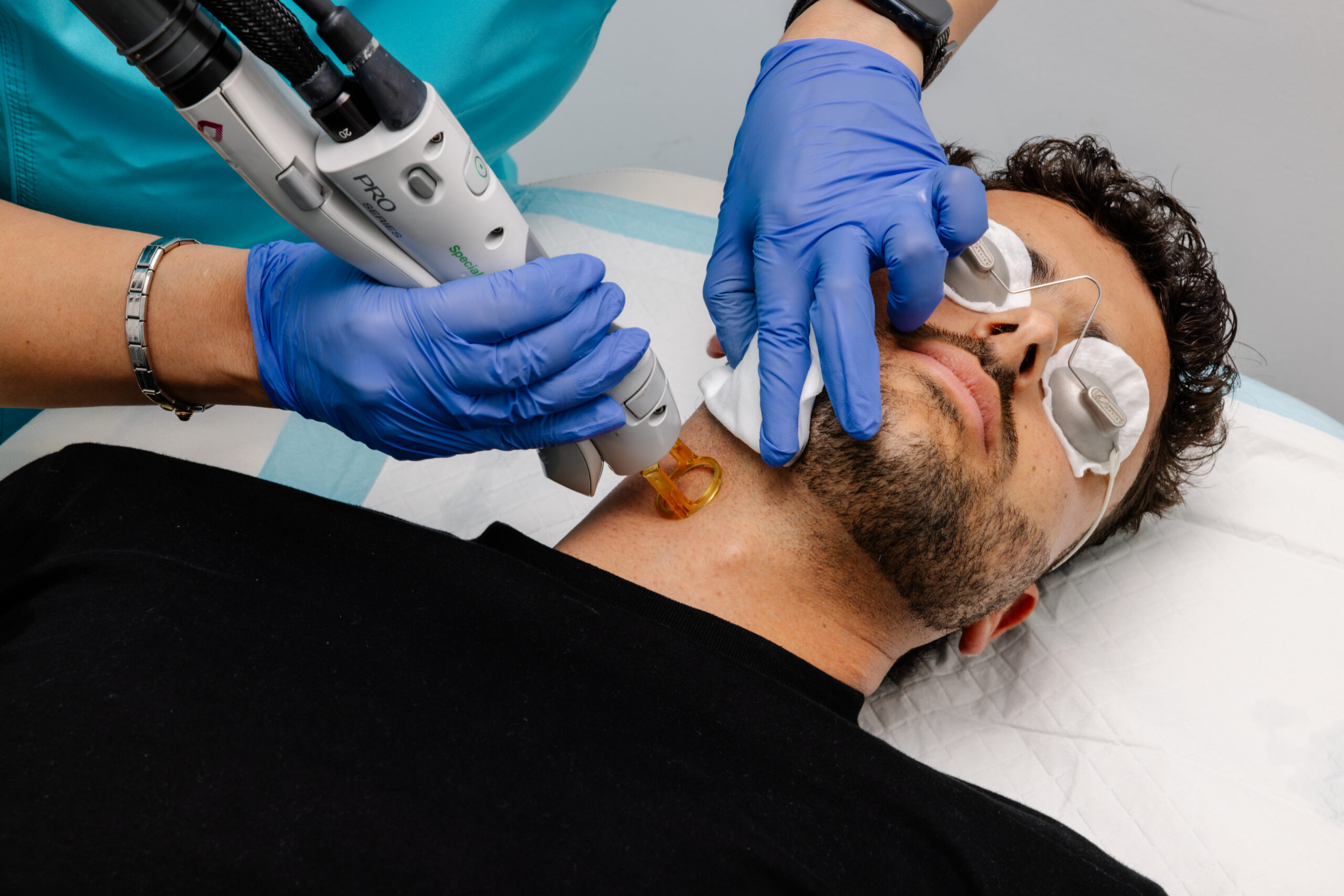
That’s what a skin consultation is for, and it’s complimentary. Someone looks at your skin, you say what’s been going on, and you get a straight answer, including the answer that you’re better off leaving things alone, which does get said more often than you’d expect.
You can book one at a clinic near you, and turning up to talk about a treatment doesn’t commit you to having it. Worst case, you come away knowing more about your own skin than you did walking in, which is not a bad outcome for half an hour.
FAQs
Is men’s laser hair removal any different?
The technology and the assessment are the same, though men more often treat larger areas like the back, chest and neck. Coarser hair can also respond differently, so session numbers and spacing get worked out area by area at your consultation.
Can I have laser on my back and shoulders?
Back and shoulders are among the more commonly treated areas, and they cover more skin than the face, so appointments run longer. A clinician will talk through how many sessions the area is likely to need, and roughly how far apart, before you commit to a course.
I have a beard. Can I still have facial treatments?
Treatments like HydraFacial and microdermabrasion work around facial hair, though the approach through the beard line may be adjusted. Mention how you wear it when you go in, so the treatment fits around the beard instead of working against it.
How soon can I shave after a skin treatment?
The gap depends on the treatment and how your skin responds, and you’ll be told before you leave. A short break is usually all it takes, and another day is worth giving it if anything still feels sensitive.
What does a first appointment cost?
Consultations are complimentary, so having your skin properly assessed costs you nothing. Treatment pricing depends on the area and the number of sessions involved, and you’ll have those figures in front of you before deciding anything.