





When your skin begins to change during perimenopause or menopause, the right treatment approach isn’t about choosing one treatment hoping it will address everything. It’s about building a plan that’s tailored to what your skin needs during midlife.
For many women, the changes that come with perimenopause can feel gradual at first: easy to dismiss as seasonal dryness, normal ageing, or just a routine that needs updating. But for women entering menopause, the shift can feel sudden and disorienting.
Skin that felt familiar one year can feel unrecognisable the next. That’s not your imagination. Hormonal changes during this stage, including declining oestrogen, can influence how skin looks, feels and responds, and the pace of that change can catch many women completely off guard.
Perimenopause and menopause can reveal multiple concerns happening at the same time: dryness alongside sensitivity, visible pigmentation that seems to appear suddenly, a loss of firmness and slower recovery.
Treating each one separately often means the bigger picture gets missed. You invest in a richer cream, but the sensitivity persists. You try something for pigmentation without considering your skin’s slower recovery, and it leaves your skin irritated. You focus on firmness without supporting your skin’s protective barrier, and nothing feels settled.
An approach that understands how these changes are connected, and how to support them as a whole, is where real progress begins.
At Australian Skin Clinics, this is how we approach support. We don’t prescribe a standard protocol. We listen, assess, and build a roadmap designed specifically for your skin, your comfort level, and your goals during this transition.
This is how a treatment plan can move you from feeling overwhelmed to choosing with confidence.
What’s happening to your skin during perimenopause and menopause?
During perimenopause and menopause, oestrogen levels begin to fluctuate and eventually decline. Because skin is responsive to hormonal change, this transition can influence how your skin looks, feels and responds.
You may notice dryness that feels different to anything you’ve experienced before. Sensitivity can increase. Firmness and bounce can shift noticeably. Pigmentation may look darker or more patchy. Your skin may take longer to recover from irritation, a breakout, or even a late night.
While dryness is often one of the first signs, it rarely shows up alone. It may be a clue that several visible skin changes are happening at once, including changes in hydration, firmness, sensitivity, uneven tone and recovery.
What treatments can help with perimenopause and menopausal skin changes?
The treatments we recommend depend on what your skin is showing and what you want concerns you most. Here’s how we approach each concern, always with the bigger picture in mind.
Dryness, dullness, and overall skin comfort
As oestrogen declines, the skin’s ability to hold moisture can change. The surface barrier may become less resilient, hydration can be harder to retain, and the complexion may look flatter and feel less comfortable through the day. Fine lines can look more pronounced. Products that once felt comfortable may start to feel tooactive.
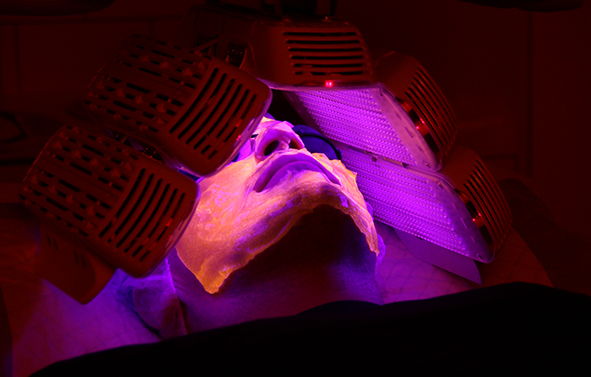
Lumixa™ Gel with LED Light combines a hydrating gel with LED light therapy to
support skin comfort, radiance, and overall skin quality. Gentle and well suited to skin that feels sensitive, unsettled or depleted, it can be used as a standalone treatment or alongside other treatments as part of a broader skin plan.
Uneven tone and texture
As visible skin renewal slows during perimenopause and menopause, the effects of cumulative sun exposure can become more apparent, revealing changes in tone and texture that were previously less visible.
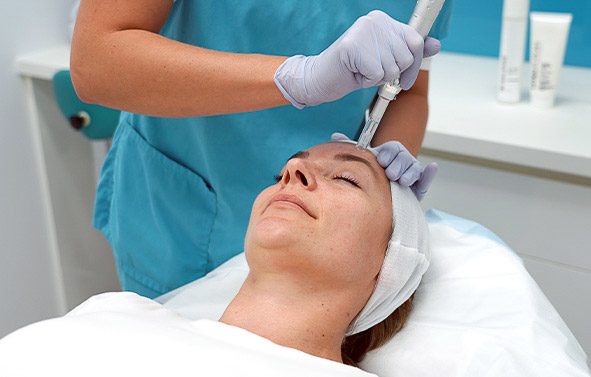
MesoInfus™ Skin Needling uses fine needles to create micro-channels in the skin,
allowing targeted active ingredients to be applied as part of the treatment. It may
help improve the appearance of texture, fine lines, dullness and uneven tone, with an
approach that respects where your skin is right now.
Visible Pigmentation
Pigmentation during perimenopause and menopause often feels like it appears from nowhere. In reality, it may have been developing beneath the surface over time, with hormonal changes making it more visible or harder to manage. Existing patches can look darker. New spots can emerge. What once responded to brightening products may now need a more targeted approach.
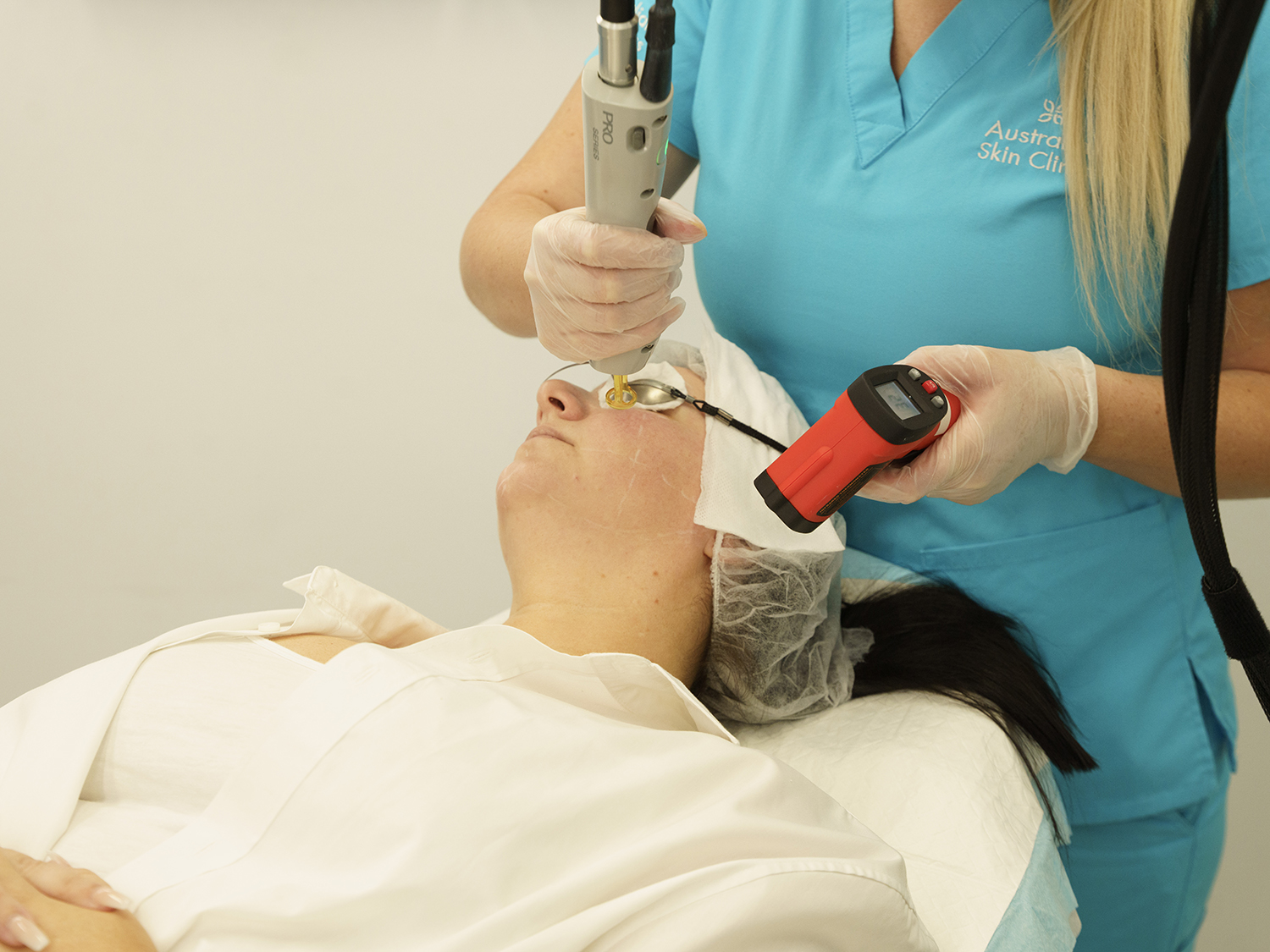
Laser Skin Rejuvenation uses targeted laser energy to pinpoint areas of visible pigmentation and improve overall skin clarity. It works by targeting areas of visible
pigment, helping support a more even-looking tone and clearer-looking complexion
Loss of firmness and visible sagging
When changes in skin firmness become noticeable, it can feel unexpected or unsettling. Contours soften. The jawline feels less defined. Cheeks lose some of their lift. It’s rarely one dramatic shift, more often a cumulative change in facial structure that’s hard to name but hard to ignore.
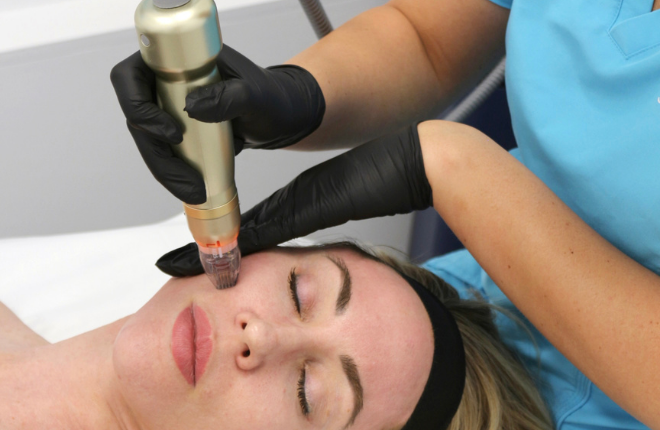
Sylfirm X™ RF Needling combines microneedling, which creates controlled micro-channels in the skin, with radiofrequency energy that delivers heat into the deeper layers. Together, this treatment is designed to support the appearance of firmer, smoother-looking skin and improve visible skin quality over a course of treatment.
Each of these treatments can work as a standalone option or as part of a combined approach. Which ones are right for you, and in what order, is where the consultation comes in. Your ASC Technician will assess what your skin needs and build a plan around that.
How do we build a skin treatment plan for you?
Every treatment plan starts with understanding your skin properly. This is why a consultation at Australian Skin Clinics is never a quick box-tick. Your ASC Technician takes the time to listen and to look. What concerns are showing up? How sensitive is your skin at this moment? How does it recover? What have you already tried, and how did it feel?
With the added insight of Observ 520 skin analysis, we can better understand your skin and assess which treatments make sense during this stage. Not a standard protocol. Not what’s trending. A plan based on your skin’s needs during midlife, your
comfort level, and what matters most to you right now.
This is where guesswork stops, and clarity begins.
What skincare should you use alongside professional treatments?
Professional skin treatments are part of the bigger picture, and with the right homecare, your skin is better prepared before treatments, better supported after, and better maintained between appointments.
As your skin changes during perimenopause and menopause, your skincare may need to change with it. Not necessarily more products, but more targeted ones. Ingredients that support the skin and allow it to adapt to the changes that hormonal shifts can bring.
Aesthetics Rx® Biofemage® for visible midlife skin changes
Aesthetics Rx® is advanced biotech skincare developed to work alongside professional skin treatments. For skin affected by the visible changes of perimenopause and menopause, the Biofemage® range within Aesthetics Rx® takes this further, with ingredients selected to support the visible needs of midlife skin.
The Biofemage® Serum focuses on clarity, radiance and overall skin quality. A marine-derived biotech active supports the appearance of healthier-looking skin, while phytoestrogen-rich botanicals and dual-weight hyaluronic acid help address the appearance of dullness, uneven tone and loss of hydration associated with midlife skin change.
The Biofemage® Cream provides richer support for skin that feels dry, less comfortable or less firm. Ceramides help support the feel of the skin barrier, peptides support the appearance of firmness, and lipid-rich oils help comfort skin that feels dry or depleted. Used together morning and night, they can form part of a skincare routine built for where your skin is now.
Balense® for skin that feels sensitive or unsettled
For skin that feels particularly sensitive during this stage, Balense® offers a simpler, comfort-focused approach to homecare. Built around HylaTech® Active Delivery technology, the range is designed to support hydration and help deliver active ingredients on the skin without overwhelming skin that may already feel easily unsettled.
With options across cleansing, activation, hydration and protection, Balense® can be tailored to different skin types and concerns, making it well suited to skin that needs calm, consistent care alongside professional treatment.
Where should you start with midlife skin treatments
A treatment plan isn’t a fixed pathway. It’s tailored to where your skin is right now.
For some clients, starting gently makes sense. Your skin might feel sensitive, unsettled or depleted.
Beginning with Lumixa™ to support comfort and radiance can give your skin time to look and feel balanced and settled before moving into treatments that focus on texture and tone. This builds confidence and clarity about what’s actually working.
In other cases, your skin may feel stable enough to move more directly to what matters most to you: clarity of tone, texture refinement, or visible firmness and definition. Your ASC Technician will assess this during your consultation.
The sequence of treatments is shaped by how sensitive your skin feels right now, how quickly it recovers, which concerns are a priority, and where you feel ready to start. A personalised plan takes all of this into account.
This is why a plan built specifically for you, at this moment, makes all the difference.
How long does it take to see results from a personalised treatment plan?
A personalised treatment plan for perimenopause and menopausal skin unfolds over time. While it’s natural to want to see change quickly, a treatment plan built around your skin is designed to support longer-term visible results. Some visible changes may appear within weeks. Others may develop gradually over months as your treatment plan progresses.
Your ASC Technician will discuss realistic timelines with you based on what you’re addressing and how your skin responds. There’s no pressure to commit to a set number of treatments. Plans adjust as your skin changes and as you see what’s working.
Between appointments, you may notice your skin feels more comfortable and supported. The goal isn’t transformation in weeks. It’s clarity, consistency, and skin that feels like yours again during this stage.
Ready to take the first step towards skin that looks like you again?
When your skin is changing during perimenopause or menopause, you deserve more than guesswork. You deserve a plan that understands what’s actually happening, that’s built around your skin and your goals, and that gives you back confidence in what you’re doing.
A consultation at Australian Skin Clinics is where that clarity begins. Your ASC Technician will take the time to listen, assess, and build a roadmap designed specifically for your skin’s needs during midlife.
Book your complimentary consultation at your nearest Australian Skin Clinics.
FAQs
When should I start thinking about professional treatments for perimenopause skin?
As soon as you notice changes that aren’t responding to your usual routine, often in your early-to-mid 40s. Early support can help you respond to changes sooner and keep your skin feeling more comfortable through the transition.
Is it safe to get laser or microneedling treatments if my skin is sensitive right now?
If your skin is showing signs of sensitivity, your ASC Technician will assess whether laser or microneedling is suitable for you at this stage. In some cases, your skin may be ready for a targeted treatment. In others, starting with gentler supportfirst may be more appropriate.
How long does it take to see results from professional treatments?
Some visible changes may appear within weeks, but many improvements develop over 4–12 weeks as your skin responds to the treatment plan. Results may continue to improve over months, especially when homecare supports the process.
Can I use retinol or other active products before or after laser or microneedling?
Your ASC Technician will advise you based on your specific treatment. Generally, active ingredients like retinol are paused before treatment to avoid irritation, then reintroduced gradually afterwards. Your homecare routine will be adjusted to support your skin through treatment.
How often do I need treatments to maintain results?
This depends on the type of treatment, your goals and how your skin responds. Some clients benefit from a focused series initially, followed by seasonal or ongoing maintenance. A single treatment can be a helpful starting point, but consistency is what supports longer-term skin quality. Your ASC Technician will recommend a schedule that suits your skin and lifestyle.
Is it normal for perimenopause skin to feel more reactive during treatments?
Yes. Your skin may feel more sensitive during this stage, which is why assessment and sequencing matter so much. Starting gently, spacing treatments appropriately, and supporting your skin with the right homecare can all help keep the treatment plan comfortable and well matched to your skin.
Do I have to start with gentle treatments, or can I go straight to what I want?
Either can be right depending on your skin. If your skin feels sensitive or depleted, starting with support and hydration often makes sense. If your skin feels stable, you might move more directly to your priority concern. Your consultation is where this gets decided.
Will professional treatments actually work if my hormones are still fluctuating?
Yes, professional treatments can still support visible skin concerns while hormones are fluctuating. At Australian Skin Clinics, we treat the skin we see today while keeping your future skin in mind, with regular check-ins to monitor results and adjust your plan as your skin changes.
About the Author the Author
Julie Lardner is a skin therapist, industry educator and professional writer with more than 25 years’ experience in the professional skincare and aesthetics industry. She has spent her career helping people better understand their skin, professional treatments and skincare options.