



You’ve got the flights in your head, maybe already booked. You’re one of the thousands of Australians swapping a grey June for a Euro Summer, and somewhere between the itinerary, the linen and the last-minute shopping, a practical question has come up: can you actually get laser hair removal done before you fly?
The answer is yes, but it depends on how much time you have. Laser hair removal works best when it is planned around your hair growth cycle, so this article gives you the real numbers, a clear timeline worked back from your departure date, and honest guidance on what’s achievable depending on when you start.
Why Laser Takes Time and What That Means for Your Trip
Laser hair removal targets the hair follicle during its active growth phase. Not all hair on any given area is in that phase at the same time, which is why a single session doesn’t cover everything. Each appointment catches a new group of follicles as they cycle through, which is also why sessions are spaced weeks apart rather than back-to-back.
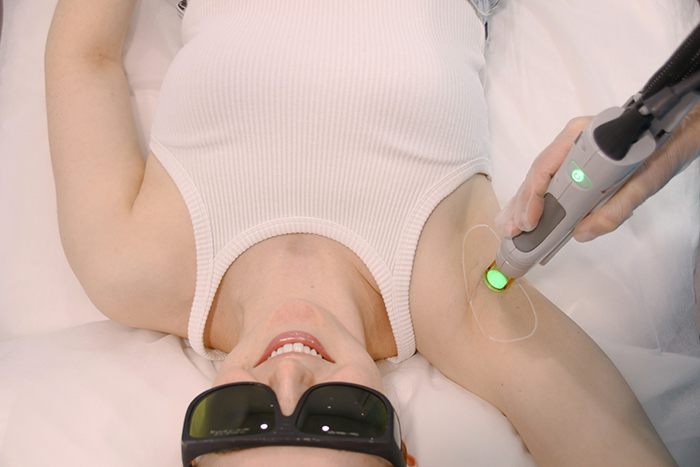
For most body areas, a full course of laser hair removal runs 6 to 8 sessions, spaced 6 to 8 weeks apart. The exact timing can vary depending on the area, your hair type and your skin tone, but it’s a useful guide when you’re planning around a travel date.
You don’t need to finish the full course before you leave to notice a difference. Many people start seeing meaningful reduction from around the third or fourth session, so the earlier you begin, the more progress you can make before you’re poolside in Portugal.
The prep step that makes each session count
Shave before each session, never wax or epilate. Waxing and epilation remove the hair from the root. If the root isn’t there, the laser has nothing to target, making the session less effective. Shaving cuts at the surface and leaves the follicle intact. Do it one to two days before each appointment.
Your Fly Date, Worked Backwards
Start by counting the months between now and your departure date. That gives you a much clearer idea of what’s achievable before you go than any general timeline.
|
Time before departure
|
What this means for your plan
|
|---|---|
|
5–6 months out
|
This is a comfortable window for a full course of properly spaced sessions before you fly, with time for your skin to settle before departure.
|
|
3–4 months out
|
This is still a solid window. You can fit several sessions in before you leave, notice a visible difference in many treated areas, and continue your course when you’re home.
|
|
6–8 weeks out
|
One to two sessions before departure is realistic. It can still be worth starting, especially if you plan to continue the course after your trip.
|
|
Under 4 weeks out
|
Visible change before you fly will be limited, but it can still be a valid starting point. A clinician can confirm whether it makes sense to begin now and map out your course for when you return.
|
These are guides, not fixed rules. Exact spacing depends on the area, your hair type, and how your skin responds. No two plans look identical. What matters is getting the first consultation in so a clinician can map the specifics around your actual flight date.
If your timeline is tight, it often makes sense to prioritise underarms and the bikini line first. These areas are generally less exposed to incidental sun before travel and often respond well early in a course. Legs and forearms may need more careful timing, especially if you’re already spending time in the sun.
Which Areas to Prioritise
Not every area follows the same treatment rhythm, especially when travel and sun exposure are part of the plan. Some areas are quick, discreet and easy to prioritise, while others need more time because they cover more skin or are more likely to be exposed to incidental sun before you leave.
|
Treatment area
|
Planning considerations for travel
|
|---|---|
|
Underarm
|
One of the quickest areas to treat and usually less exposed to the sun before travel, making it a practical place to start.
|
|
Bikini line
|
A common priority for swimwear and generally protected from incidental sun, so it’s worth starting early if this is your main focus.
|
|
Lower legs
|
A larger area that needs more planning, especially if you expect sun exposure close to your departure date.
|
|
Full legs
|
A more realistic pre-travel goal when you have around 5 to 6 months before you fly, as the full area needs time and consistency.
|
|
Forearms
|
More likely to be exposed to everyday sun, so timing matters. Your clinician can guide you if you’re planning extended time outdoors.
|
Sun Exposure and Timing for Your Euro Summer
Laser works by targeting pigment in the hair follicle, which is why sun exposure matters. A fresh tan adds more pigment to the skin, making treatment less straightforward and increasing the chance of irritation in the treated area.
This matters both before and after your appointment. Recently tanned skin is usually not suitable for treatment, and skin that will be exposed to strong sun soon after a session needs careful timing, especially if your trip involves beaches, swimming or long days outdoors.
Let your clinician know your travel plans at your first appointment, including your departure date, destination and how much time you expect to spend outdoors. With those details, they can plan your sessions around your actual trip and leave the right gap between your final pre-travel session and your flight.
While you’re away, protect treated areas with SPF and stick to shaving if you need to tidy up. When you’re home, your course can continue from where it left off.
IPL vs Professional Laser
IPL, or intense pulsed light, emits a broad spectrum of light across multiple wavelengths. It’s less targeted than laser, works across a narrower range of skin tone and hair type combinations, and is the technology behind most at-home devices.
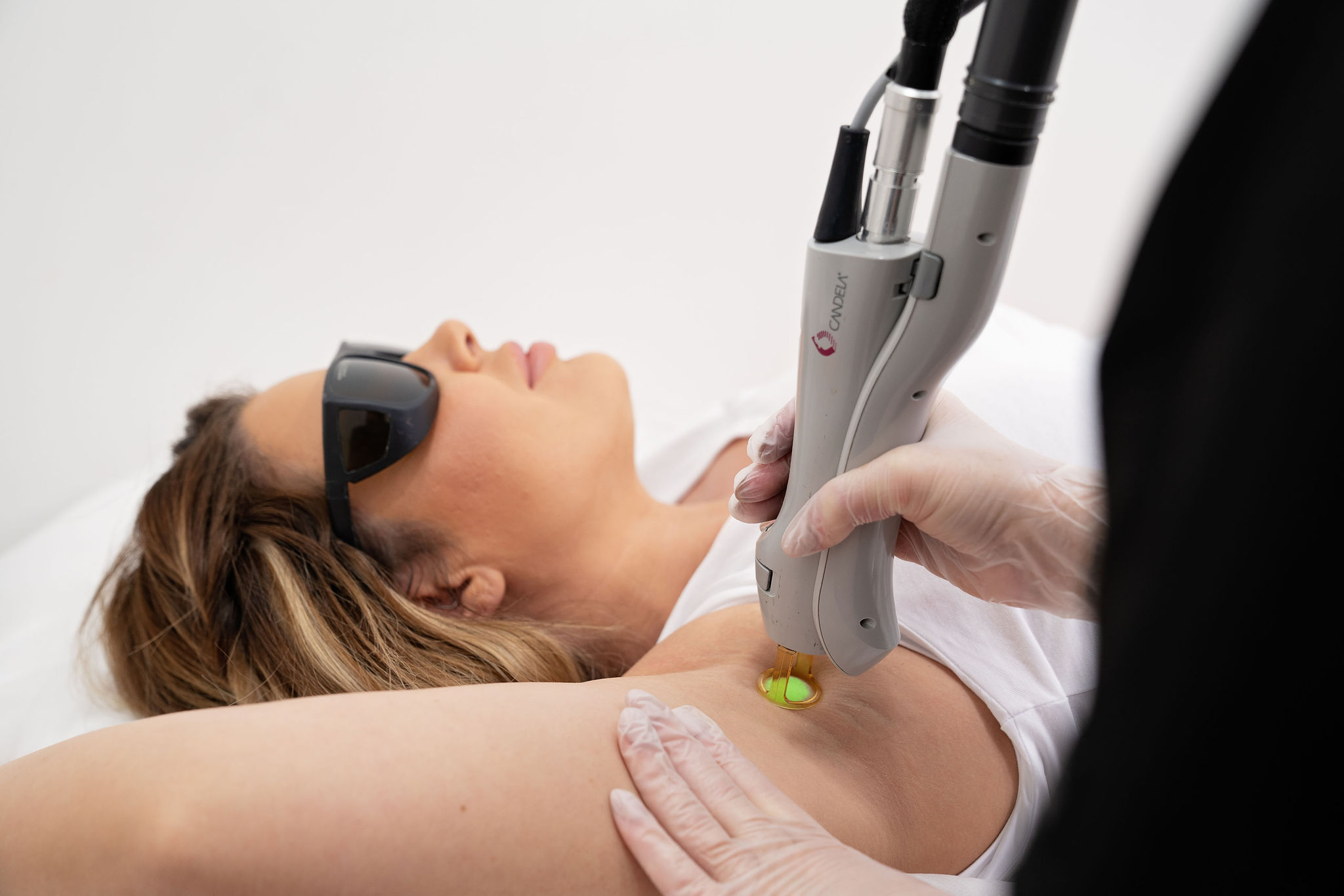
Professional laser uses a focused wavelength calibrated to your skin tone and hair colour, delivered by a trained clinician using a TGA-listed device.
That precision matters. It’s what allows your clinician to adjust parameters between sessions as your skin responds, and it’s what makes the treatment effective across a broader range of skin tones and hair types than at-home IPL.
At-home IPL can have a place in a longer-term maintenance routine, but it is not the same as a clinical course when you’re working toward a specific result before a set travel date. If you’re planning laser hair removal before a trip, a consultation gives you a clearer plan, with someone tracking your progress, adjusting the timing and helping each session count.
It’s also worth knowing that not every at-home IPL device is suitable for every skin tone or hair type. This is especially important for darker skin tones, as some devices may not be appropriate or safe to use.
A qualified clinician will assess your skin and hair before treatment and choose the right approach for you. If you’re unsure whether laser hair removal is suitable for your skin type, that first consultation is the best place to start.
What to Expect at Each Stage
Before your first appointment
Have a clear idea of the areas you want treated and your travel dates. Tell your clinician about any skin sensitivities or past reactions, and mention whether you’ve been waxing or epilating recently. For the treatment itself, shave the area one to two days before and arrive with clean skin, free of fake tan, heavy moisturiser or makeup on the treatment area.
During the course
Shaving between sessions is fine, but waxing and epilation should stay off the menu. After each appointment, you may notice warmth or mild redness that settles within a day or two. Keep the area protected with SPF, avoid hot showers and saunas for a day or so, and give your skin time to settle before exfoliating. If anything feels unexpected, contact the clinic before your next session.
After your trip
A break while you’re away doesn’t undo your progress. Once you’re home, mention any sun exposure from your trip so your next session can be planned safely, then continue the course from where you left off.
What to Look for in a Laser Clinic
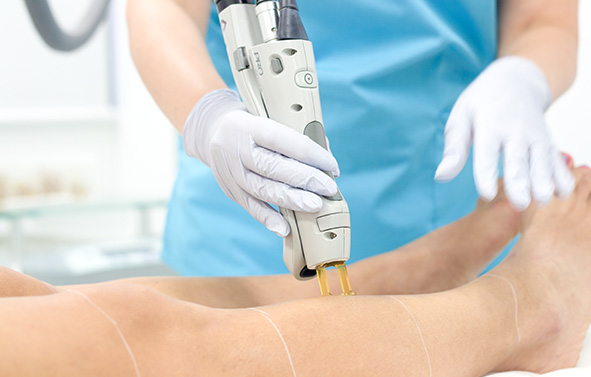
Laser hair removal is a clinical treatment, so the experience behind the device matters. Your results depend on how your skin and hair are assessed, how the settings are selected, and whether the treatment is adjusted properly as your course progresses.
That’s why it’s worth choosing a clinic that uses TGA-listed devices.
Consistency also matters when you’re planning a laser course around a Euro Summer trip. Australian Skin Clinics has 180+ clinics nationally, with qualified clinicians and a consistent standard of care across locations. If you need to pause while you’re away or continue your course somewhere else when you return, your treatment record can move with you, so you’re not starting from scratch.
Ready to Plan It Around Your Trip
The earlier you start, the more of the course you can complete before departure. Even a shorter window is still worth using, as booking a consultation gives you a clearer picture of what’s achievable and gets a plan moving around your actual schedule.
Bring your flight date and the areas you want to treat, then talk it through with a clinician. From there, they can map out the timing, prioritise what matters most and help you make the most of the time you have before you go.
FAQs
What is the latest I can start laser before a Euro Summer trip?
A few weeks before you fly can still be enough time to begin, but it is better treated as the start of a longer course rather than a complete pre-travel result. Your clinician can assess whether your skin, hair and travel plans make it sensible to start now or wait until you are back.
Is it better to start laser before or after my holiday?
Starting before your holiday can be useful if there is enough time to treat safely and leave your skin settled before you travel. If your trip involves heavy sun exposure or you already have a tan, your clinician may recommend adjusting the timing.
Can I shave while I’m travelling between laser sessions?
Shaving is the right option if you need to tidy up while you are away. Avoid waxing or epilating during your course, as both remove the hair from the root and can affect your next treatment.
Can I swim after laser hair removal?
Swimming is usually something to avoid immediately after treatment while the skin is settling. Your clinician will advise when it is suitable based on the area treated, your skin response and how close your session is to your departure.
Should I book laser for multiple areas before a trip?
Multiple areas can be planned into one course, but the timing may differ depending on sun exposure, session spacing and which areas matter most to you. A consultation helps decide what to treat first, what can wait and how to plan the course around your travel dates.