




There can be a point in midlife when your skin starts to feel harder to understand.
You may be caring for it the same way you always have, but it no longer seems to respond the way it once did. It may feel drier one week, more sensitive the next, or simply less predictable than it used to be. Pigmentation may look darker or more patchy. Texture may feel less smooth. Skin that once seemed to manage itself may suddenly need more attention. And the question that often comes with it is a common one: is this simply my skin ageing, or could something else be going on?
For many women, the answer is not one or the other. It can be both.
As hormones begin to fluctuate and oestrogen levels change, the skin may look, feel and respond differently, sometimes quite suddenly. You may not connect those changes with perimenopause at first, especially when they appear alongside other signs such as disrupted sleep, mood shifts, fluctuating temperature, or changes in your hair and energy levels. But once you understand the link between hormonal change and your skin, the pieces can start to come together.
Perimenopause and menopause: what’s the difference?
The two terms are often used interchangeably, but they describe different phases of the same transition.
Perimenopause is the lead-up: the years, sometimes a decade or more, when hormones begin to fluctuate before they eventually stabilise at lower levels. It’s during this phase that many women first notice skin changes, because oestrogen isn’t simply declining. It’s rising and falling unpredictably. That fluctuation is part of why skin during perimenopause can feel so inconsistent. Menopause itself is a defined moment: twelve consecutive months without a period. After that, the body enters post-menopause, where oestrogen levels are consistently lower.
Skin changes can occur across all of these stages, but the perimenopause years are often when they first feel noticeable and hardest to explain.
Ageing skin versus perimenopausal skin
Ageing skin and perimenopausal skin can look similar, but they’re not quite the same thing.
Ageing skin is usually the result of gradual change over time. Some of that change is intrinsic, shaped by genetics and biology. Many visible changes are also influenced by extrinsic factors such as sun and environmental exposure, lifestyle, stress, sleep and the natural slowing of skin processes over the years.
In simple terms, ageing skin often reflects accumulated wear and tear.
Hormonal change can make existing signs of ageing look more noticeable, while also introducing new changes in hydration, sensitivity, pigmentation, texture, firmness and recovery. The difference is often timing and intensity. Age-related skin changes usually build gradually, while perimenopausal changes may feel more sudden or erratic. This doesn’t mean ageing and hormonal change are separate experiences. In midlife, they often overlap. But understanding the difference can help explain why your skin may suddenly feel unfamiliar, and why the right support may need to adapt to your skin as it is now.
What oestrogen actually does in your skin
Most people know oestrogen as a reproductive hormone. What’s less well understood is how much work it does in the skin.
Skin cells contain oestrogen receptors. That means the skin is literally designed to respond to oestrogen, and it does so across almost every function that determines how your skin looks and feels. Oestrogen stimulates collagen production and helps maintain the elastin fibres that give skin its bounce.
It also supports the lipids that form the skin’s protective barrier. It regulates the skin’s hydration mechanisms, including the natural moisturising factors that keep water locked in. It influences how the skin manages pigment, how quickly it heals, and how it responds to inflammation.
When oestrogen is stable, all of these processes run in the background without much notice. When it starts to fluctuate or decline, the effects can show up across all of them at once, which is why perimenopausal skin changes can feel so varied and hard to pin down. Dryness, sensitivity, uneven tone, slower healing, loss of firmness:
these aren’t unrelated problems. They’re different expressions of the same underlying shift.
Understanding this changes the way you can think about your skin. Rather than chasing individual concerns with individual products, it becomes possible to see the bigger picture and make choices that support the skin overall.
Dryness, dullness and skin that feels less comfortable
Dryness during perimenopause and menopause can feel different to the occasional dryness that comes with weather, travel or dehydration. Skin may feel less comfortable through the day, or as though it doesn’t hold hydration in quite the same way. Fine lines may appear more noticeable, and the complexion may look flatter, duller or less luminous.
Oestrogen influences natural moisturising factors, barrier lipids and glycosaminoglycans such as hyaluronic acid, which help the skin hold water and maintain a more supple feel. As oestrogen fluctuates and eventually declines, the skin may become drier, less cushioned and more prone to that uncomfortable feeling.
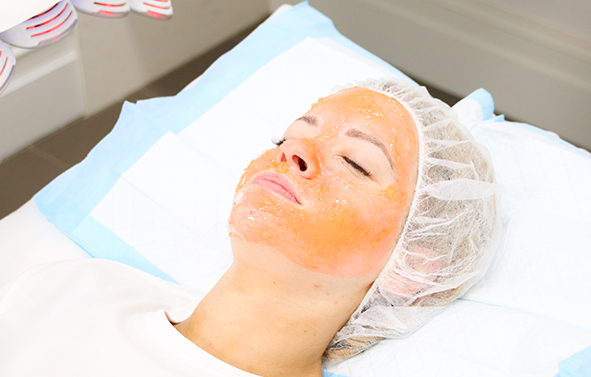
For skin that looks dull, dry or tired, your ASC Technician may recommend treatments that support hydration, comfort and visible radiance. At Australian Skin Clinics, this may include Lumixa™ Gel with LED Light or MesoInfus™ Skin Needling, depending on your skin priorities during your consultation.
Breakouts, congestion and uneven texture
Breakouts or congestion can be one of the more frustrating changes because they can appear at the same time as dryness or sensitivity. That combination can feel contradictory, especially if you thought breakouts were something you’d left behind.
During midlife, changes in hormones, stress, sleep, oil flow and skin comfort can all influence what appears on the surface. Texture may also begin to feel less refined. Skin can look out of balance, feel rougher or appear more uneven than it once did.
Hormonal fluctuation can influence sebum activity, skin shedding and the way the skin manages congestion. At the same time, declining oestrogen can affect hydration and barrier comfort, which means the skin may feel dry on the surface while still being prone to blockages underneath.
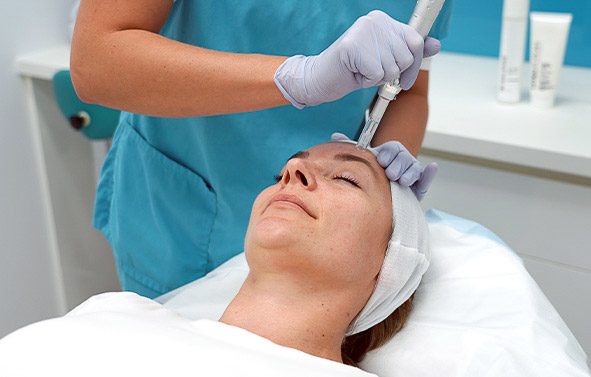
Where congestion, rough texture, dullness or fine lines are key concerns, your ASC Technician may recommend MesoInfus™ Skin Needling to support a fresher, smoother-looking complexion, or Lumixa™ Gel with Blue LED Light where active breakouts are part of the picture.
The right option will depend on what your skin needs most at the time of consultation.
Redness, flushing and skin that feels more sensitive
You may notice more facial redness and flushing, or that your skin feels more easily irritated than usual. Skin that used to feel resilient and tolerant can begin to feel less forgiving. Products that once felt comfortable may suddenly feel too active, and your skin may react more noticeably to weather extremes, heat or environmental stressors.
Part of the answer lies in the role oestrogen plays in skin barrier function, vascular behaviour and inflammatory response. As hormone levels fluctuate, the skin can become more reactive to internal and external triggers alike. It’s not that your skin needs more products. It may need a more carefully chosen approach.
When redness, sensitivity or visible skin stress appear, your ASC Technician may recommend a gentler treatment pathway first. Lumixa™ Gel with LED Light, combined with targeted skincare, may be considered as an option focused on visible vitality, comfort and overall skin quality.
Pigmentation and uneven tone
Pigmentation often has a history. Sun exposure, skin type, genetics, hormonal history and previous pigment changes can all influence what becomes visible.
During perimenopause and menopause, pigmentation may look darker, more patchy or more obvious than it did before. Existing pigmentation can be accelerated by hormonal change, making it more visible and, for many women, more of a concern than it’s been before.
Hormonal change can influence melanocyte activity, the process involved in producing pigment in the skin. What can feel like pigmentation appearing from nowhere has often been developing below the surface, with declining oestrogen bringing it into view.
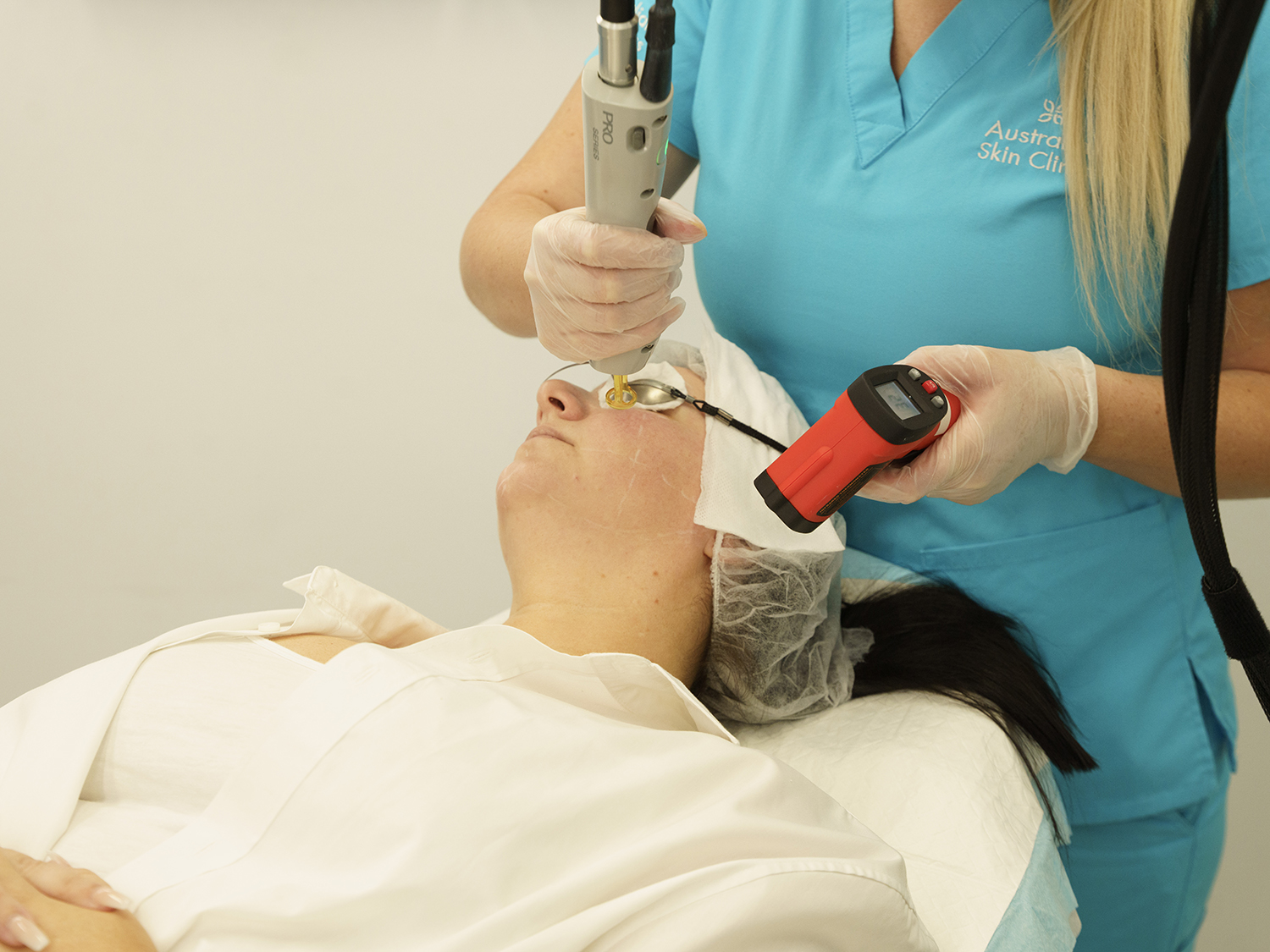
For uneven tone, pigmentation, dullness or broader changes in clarity, your ASC Technician may consider treatment options such as Laser Skin Rejuvenation or MesoInfus™ Skin Needling with targeted actives, depending on your skin, treatment tolerance and the type of pigmentation being assessed.
Visible firmness, pores and changing facial definition
Changes in firmness can be especially confronting because they affect the overall look of the face, not just one small area. You may notice less bounce, a softer-looking contour, or a subtle loss of definition through the cheeks, jawline or lower face.
Oestrogen is closely associated with collagen, elastin, skin thickness and the skin’s water-holding capacity. As oestrogen declines, the skin’s support structure can change more noticeably, affecting firmness, bounce, texture and facial definition. Pores may also look more visible as the skin around them loses some of its structure and density.
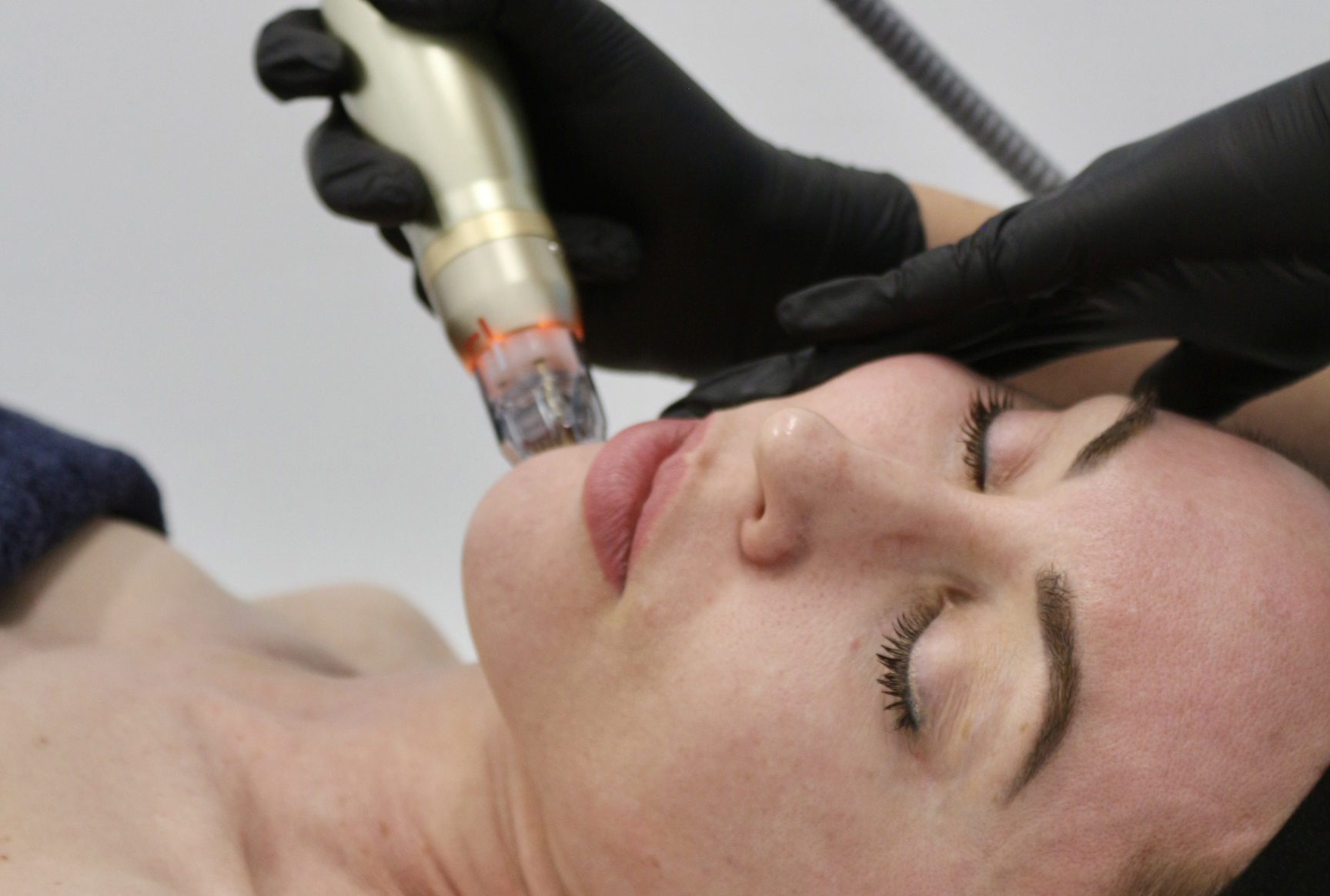
If visible firmness, pores, texture or overall skin vibrancy are key concerns, treatments such as Laser Skin Rejuvenation or Sylfirm X™ RF Needling may be considered as part of a personalised treatment plan.
The right option depends on your skin’s current condition, your goals, and whether your ASC Technician recommends a gentler starting point or a more advanced treatment pathway.
Why skin can feel slower to recover
One change that often goes unnoticed until it’s hard to ignore: skin simply doesn’t bounce back the way it used to.
A minor breakout that once settled in a day or two may linger. A reaction to a new product may take longer to calm. Redness after a facial may persist. Skin that once recovered quickly from disruption, a late night, a stressful week, a change in routine, may now take noticeably longer to find its way back.
This is another expression of what declining oestrogen can mean for the skin. Oestrogen plays a role in the skin’s wound-healing response, its inflammatory regulation and its overall resilience. As levels fluctuate and decline, the skin’s capacity to recover and repair can slow.
Understanding this can help explain why skin feels more fragile, and why a more considered approach, both in product choice and treatment, is worth thinking about at this stage.
The change that surprises women most
Of all the visible changes that can accompany perimenopause and menopause, the one women often tell us they didn’t expect is how quickly their skin can seem to shift. Fine lines that were barely noticeable can suddenly look more pronounced. Skin may feel less full or firm-looking. The face can appear subtly different within a relatively short period of time. Definition and facial contour may change. Skin that once felt resilient can begin to look and feel different in a way that’s harder to ignore. What helps make sense of this is understanding that midlife skin changes aren’t always just about age.
Hormonal change can influence how the skin looks, feels and responds, and for
many women, that shift can feel significant. The pace of these changes is not a reflection of how well you have cared for your skin. It’s a reflection of how much the body is changing during this stage. That understanding matters. Because when you know what may be influencing the changes, you can make more informed choices about the kind of support your skin may need now, rather than trying to solve every new concern through guesswork.
Why your skin may not respond the way it used to
When several concerns show up at once, it’s tempting to address each one separately: a richer cream for dryness, something stronger for texture, a brightening product for pigmentation, something calming for sensitivity. What we often see, though, is that midlife skin benefits more from a plan than a pile-on. When dryness, sensitivity, pigmentation, texture changes, breakouts or loss of firmness appear together, treating each in isolation can make things feel more complicated rather than less.
Adding products or treatments without understanding what the skin is actually doing can sometimes work against it. This is where personalised guidance becomes genuinely useful. A professional consultation can help identify what’s showing up in your skin, what may be influencing it, and what kind of support makes most sense for where you are right now.
How professional treatments can help
When skin has been feeling harder to manage: drier, more reactive, slower to recover, less even in tone or firm in texture, it can be reassuring to know that professional support is available, and that it can be tailored specifically to what’s happening for you.
At Australian Skin Clinics, your ASC Technician can assess your skin and recommend a treatment pathway based on what your skin is showing, how it feels, and what you want support with most.
For skin that needs a gentler starting point, this may include Lumixa™ Gel with LED Light to support visible radiance, comfort and overall skin quality.
For dullness, congestion, uneven texture or fine lines, MesoInfus™ Skin Needling may be recommended as part of a plan to support a fresher, smoother-looking complexion.
Where pigmentation, uneven tone, pores or visible firmness are key concerns, your ASC Technician may consider Laser Skin Rejuvenation or Sylfirm X™ RF Needling, depending on your skin, treatment tolerance and the level of support needed.
The right treatment plan isn’t about choosing one treatment in isolation. It’s about creating a roadmap for your skin, so each treatment, homecare recommendation and review has a purpose. For some clients, that may mean starting gently and building gradually. For others, it may mean a more structured pathway focused on tone, texture, hydration or visible firmness over time.
How skincare supports the process
Skincare plays an important role in any treatment plan, especially when skin is changing during perimenopause and menopause.
The right homecare can help prepare the skin before treatments, support it after appointments, and maintain how it looks and feels between clinic visits. A good routine doesn’t need to be complicated. It needs to be right for your skin now.
During your skin consultation, your ASC Technician will recommend the most appropriate homecare for your skin, drawing from our two skincare ranges:
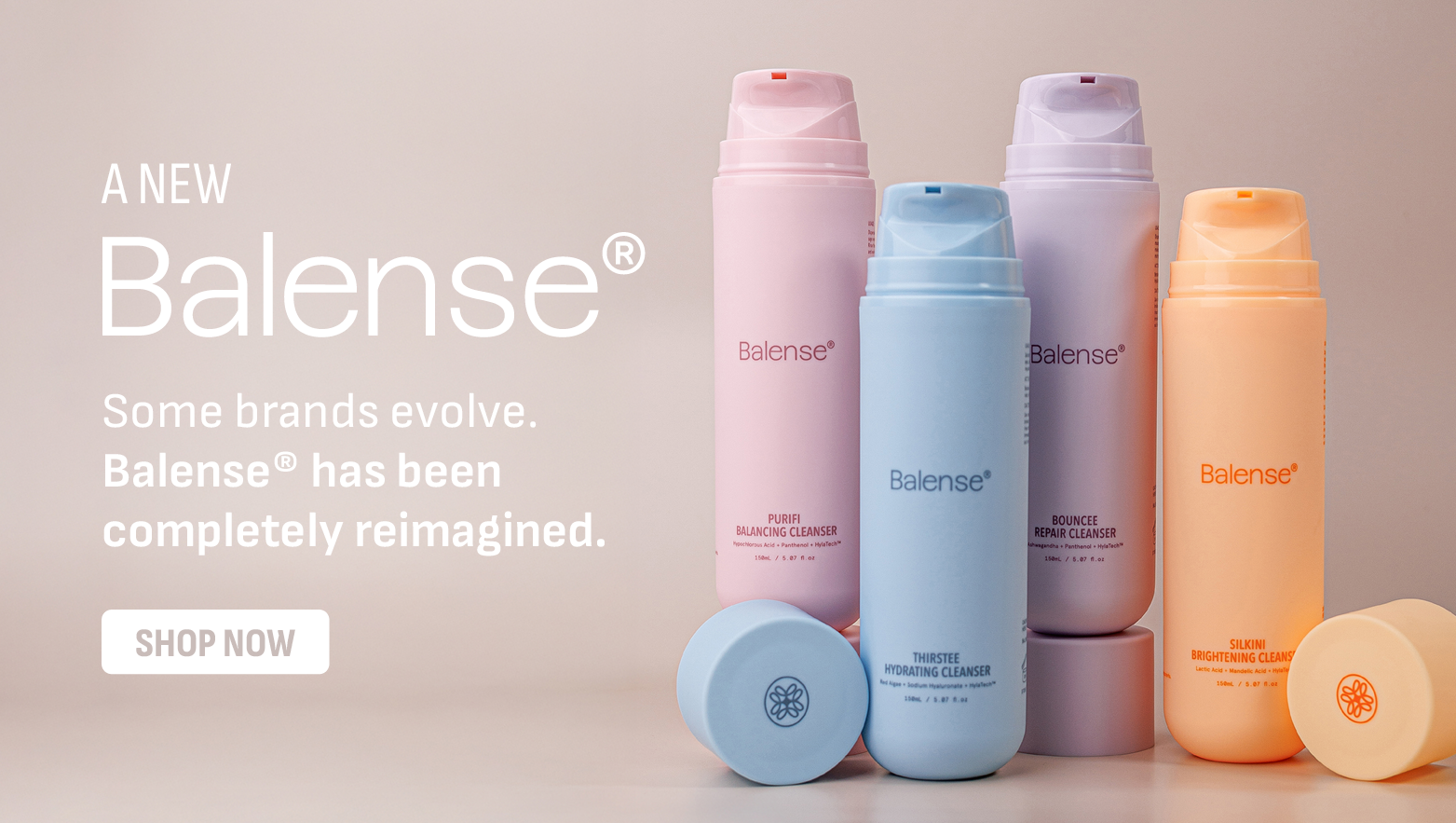
Aesthetics Rx®, a curated cosmeceutical range developed to support professional treatment plans and everyday skin care, and Balense®, a fragrance-free range developed for problematic and sensitised skin.
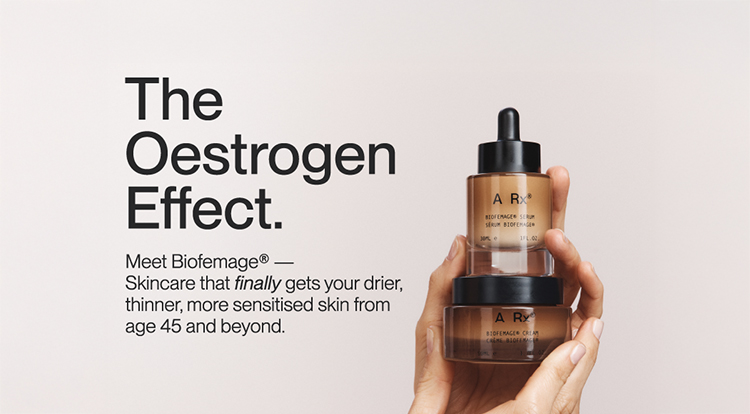
For skin experiencing perimenopause and menopause changes, your ASC Technician may introduce Biofemage® into your homecare plan, two products within the Aesthetics Rx® range developed specifically for midlife skin.
The Biofemage® Serum and Biofemage® Cream work together with targeted ingredients to support skin that may look drier, duller, less firm or less resilient during this stage. Used alongside a personalised treatment pathway, they can help support the look and feel of skin between appointments.
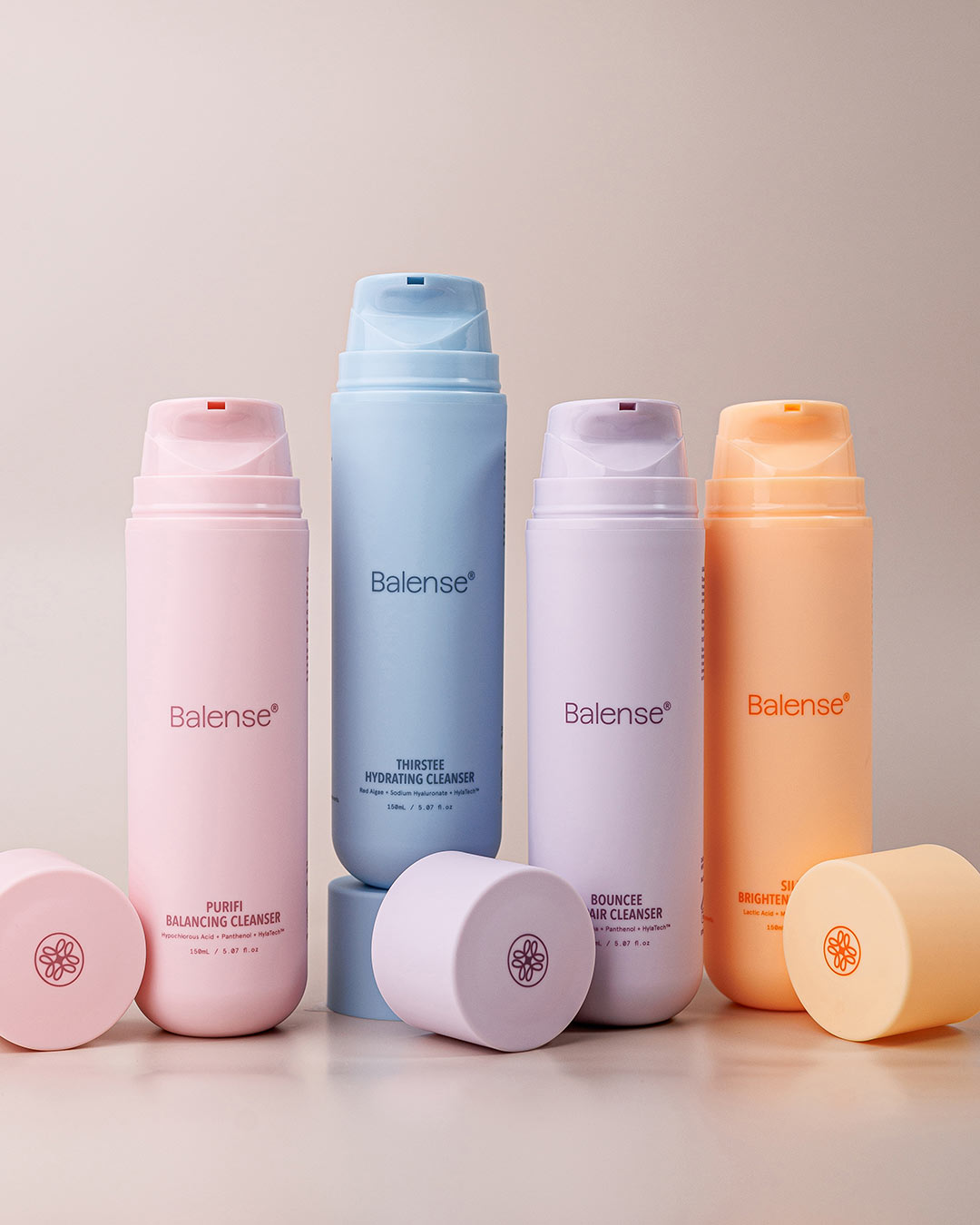
If your skin is also experiencing breakouts, congestion or increased sensitivity, your ASC Technician may recommend Balense® as part of your homecare plan, particularly where a gentle, fragrance-free approach is preferred.
Ready to understand what your skin needs now?
Perimenopause and menopause can change the way your skin looks, feels and responds, and the changes are real, even when they’re hard to explain.
A consultation at Australian Skin Clinics is a chance to stop guessing and start understanding. Your ASC Technician will take the time to look at what’s actually happening in your skin, talk through what may be influencing it, and build a plan that makes sense for you, your skin, your concerns, your goals. Because this stage deserves more than a workaround. It deserves knowledge, care and a plan that’s built around you.
Book your complimentary consultation at your nearest Australian Skin Clinics.
Frequently asked questions
Is it normal for skin to change during perimenopause?
Yes, and it’s more common than many women realise. As hormone levels begin to fluctuate and oestrogen declines, the skin can change in ways that feel unexpected. Dryness, sensitivity, uneven tone, changes in texture and visible firmness can all be part of the picture. Understanding that these changes have a hormonal basis can make them easier to navigate.
Is my skin ageing or is it perimenopause?
It may be both. Skin ageing builds gradually over time, shaped by genetics, sun exposure and lifestyle. Perimenopause can make existing changes look more noticeable and introduce new concerns, such as dryness, redness or uneven tone, that can feel more sudden or harder to explain. In midlife, the two often overlap.
What is the difference between perimenopause and menopause?
Perimenopause is the transitional phase leading up to menopause, when oestrogen levels begin to fluctuate, sometimes for several years. Menopause is defined as twelve consecutive months without a period. The years that follow are post-menopause, when oestrogen settles at a consistently lower level. Skin changes can occur across all of these stages.
Why does skin feel drier during menopause?
Oestrogen stimulates receptors in the skin, and once stimulated these receptors signal to create more collagen and hyaluronic acid production in the surrounding tissue. This is why as hormone levels decline, we can see more rapid changes and noticeable ageing.
Can perimenopause cause breakouts, congestion and sensitivity?
For some women, yes. Hormonal fluctuation can influence oil flow, skin shedding and the way the skin manages congestion, which means breakouts can occur during perimenopause even in skin that also feels dry or sensitive. That combination can feel contradictory, but it’s a recognised part of hormonal skin change.
Can pigmentation become worse during perimenopause?
Yes. Hormonal change can influence melanocyte activity, the process involved in producing pigment in the skin. Existing pigmentation may appear darker, patchier or more noticeable, and what feels like pigmentation appearing from nowhere has often been developing below the surface, accelerated by shifting hormone levels.
What treatments can help support perimenopausal skin?
Treatment recommendations depend on your skin concerns and goals. At Australian Skin Clinics, your ASC Technician may recommend Lumixa™ Gel with LED Light, MesoInfus™ Skin Needling, Laser Skin Rejuvenation or Sylfirm X™ RF Needling as part of a personalised treatment plan. A consultation is the best starting point.
Does skincare matter before and after professional treatments?
Yes. The right homecare can help prepare the skin before treatments, support it after appointments and maintain how it looks and feels between visits. Your ASC Technician will recommend homecare suited to your skin, which may include products from Aesthetics Rx® or Balense®.
About the Author
Julie Lardner is a skin therapist, industry educator and professional writer with more than 25 years’ experience in the professional skincare and aesthetics industry. She has spent her career helping people better understand their skin, professional treatments and skincare options.